Introduction
“About 1 in 3 adults don’t get enough sleep,” according to the CDC, and I’ve absolutely been one of them. I remember lying awake at 2 a.m., staring at the ceiling fan and negotiating with my brain like, “If you let me sleep now, I swear I’ll give up coffee… tomorrow.” Of course, I didn’t, and my late-night bowls of cereal and random snacks were not exactly helping my natural melatonin do its job.
It took me a while to realize that my evening food habits were quietly messing with my sleep hormones. Once I started digging into foods for melatonin and actually testing them on myself, things started to shift. In this guide I’ll walk you through the best foods for melatonin, how they work, and how to build simple dinners and snacks that help your body wind down instead of revving it up.
We’ll talk about melatonin rich foods like tart cherry juice, pistachios, walnuts, kiwi, and bananas, but also the behind-the-scenes nutrients like tryptophan, magnesium, and vitamin B6. My goal is to keep this practical and honest—what’s worked, what hasn’t, and how you can use your plate as a natural sleep tool without living on boring “health food” or popping melatonin gummies every night.
Understanding Melatonin and How Food Affects It
What Melatonin Actually Does in Your Body
Melatonin is often called the “sleep hormone,” but I think of it more like your internal dimmer switch. As it gets dark, your brain (specifically the pineal gland) starts releasing melatonin to signal that it’s time to slow down. When levels rise, you feel drowsier; when they drop in the morning, you wake up and feel more alert—at least in theory.
Your body makes melatonin from serotonin, and serotonin comes from the amino acid tryptophan. So when we talk about foods for melatonin, some foods contain actual melatonin, and others give you the building blocks—tryptophan, magnesium, B vitamins, especially vitamin B6—to make it yourself. It’s kind of like giving your body both the ingredients and the recipe.
Circadian Rhythm, Light, and Food Timing
Your circadian rhythm is your 24-hour body clock, and it loves patterns. Light is the main signal, but food timing is a pretty strong backup signal. Late heavy dinners, random snacking at midnight, breakfast at noon… all that confuses your clock and can dull natural melatonin production.
When I used to eat huge dinners at 9:30 p.m., I’d feel exhausted but wired at the same time. Once I shifted to earlier, lighter dinners and small sleep-friendly snacks, I noticed my body starting to get sleepy on its own again. Nothing magic—just less fighting against my own biology.
Things That Quietly Lower Your Melatonin
A few lifestyle habits are basically melatonin’s worst enemies: bright blue light from phones and laptops at night, late caffeine (even “just” a green tea), lots of sugar or alcohol in the evening, and super irregular meals. I’ve broken every single one of those rules at some point, by the way.
That’s why I like starting with food for melatonin as a gentle first step. It’s less intense than jumping straight to supplements, and it works better when combined with basic sleep hygiene: dim lights, screens off, consistent meal and sleep times. Think of food as your ally, not the only fix.
Tart Cherries and Berry Fruits: Natural Melatonin Powerhouses
Why Tart Cherries Are Sleep All-Stars
When people ask me for one simple melatonin rich food to try, I almost always say: tart cherries. Especially Montmorency cherries. They naturally contain melatonin and also have antioxidants that may help reduce inflammation that can mess with sleep.
There’s actual research on tart cherry juice for sleep showing improvements in sleep time and quality for some folks. When I tested it myself, I did about 4 ounces of unsweetened tart cherry juice diluted with warm water about an hour before bed. I didn’t wake up like a new person, but I did fall asleep faster and woke up fewer times, which honestly felt huge.
Tart Cherry Juice vs. Whole Cherries
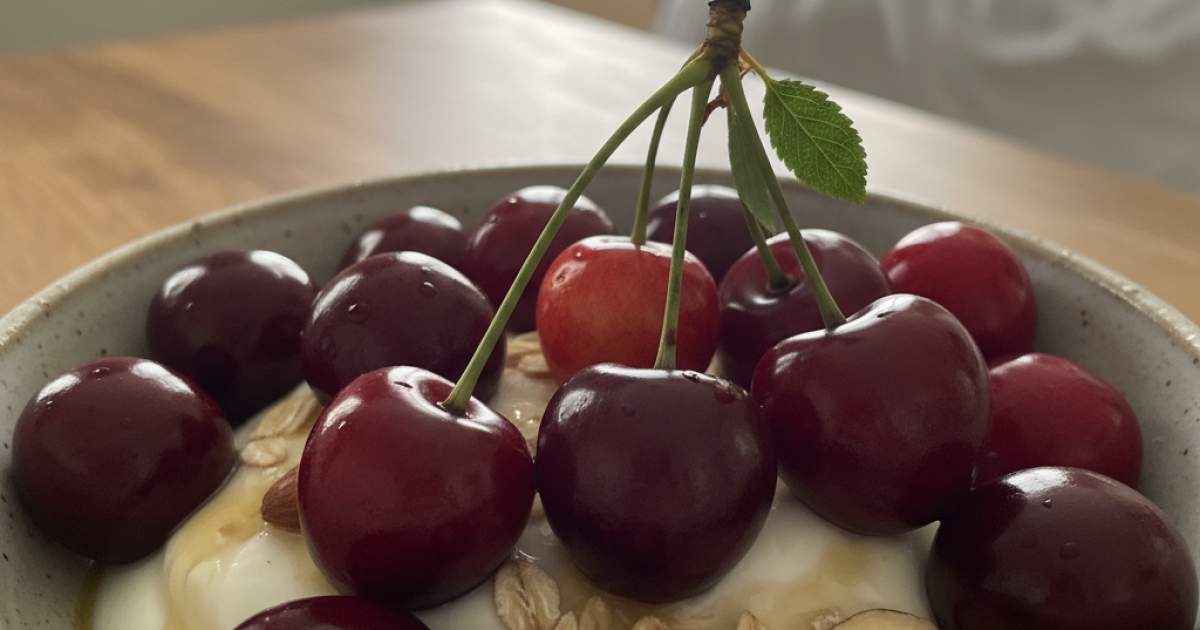
Juice is convenient, but it’s easy to overdo the sugar, even if it’s natural. Whole tart cherries give you fiber, which slows down how fast the sugar hits your bloodstream. If I drink juice, I keep it to a small glass; if I eat the fruit, I’ll do a little bowl—maybe ½–1 cup.
My favorite “sleep snack” is a small bowl of frozen tart cherries with a few spoonfuls of plain yogurt. The protein helps, the cherries bring the natural melatonin, and it feels like dessert without the sugar crash.
Other Melatonin-Containing Fruits
Tart cherries get all the glory, but they’re not the only fruit that helps. Grapes (especially darker ones), strawberries, kiwi, and goji berries all contain some melatonin or support it with other nutrients. I’m not saying you need a fruit salad mountain at 9 p.m., but a small serving can fit nicely into a sleep-supportive routine.
I usually aim to eat these 1–2 hours before bed. Too late and I sometimes feel a bit wired, probably from the sugar. And I always look for unsweetened dried fruit and low-added-sugar juices, because big blood sugar swings right before bed are not my friend.
Nuts and Seeds: Pistachios, Walnuts, and More Sleep-Supporting Snacks
Pistachios and Walnuts for Melatonin
Pistachios are kind of the rockstars of nuts when it comes to natural melatonin. Studies suggest they have higher melatonin content than many other nuts. When I swapped my late-night cookies for a small handful of pistachios, I noticed I didn’t get that sugar spike and crash, and it was easier to feel calmly tired instead of jittery-tired.
Walnuts are another solid option. They may support melatonin and give you healthy fats that help keep your blood sugar steadier through the night. I like sprinkling chopped walnuts over yogurt or oatmeal if I’m having an evening bowl.
Seeds That Support Sleep Hormones
Pumpkin seeds, sunflower seeds, flaxseeds, and chia seeds don’t all contain big amounts of melatonin, but they bring magnesium, zinc, and tryptophan to the party. Those nutrients help your body make serotonin and melatonin and relax your muscles. Pumpkin seeds are also one of my favorite magnesium rich foods for sleep.
One of my go-to bedtime snack ideas is a spoonful of Greek yogurt with some ground flax and a few pumpkin seeds on top. If you have a sensitive stomach like I do, keep it to a small handful or a tablespoon or two; I learned the hard way that a giant bowl of nuts right before bed means… no sleep and lots of burping.
Smart Late-Night Nut and Seed Snacks
If dessert is your weak spot at night (it was mine for years), try these swaps: pistachios with a few dried tart cherries, or Greek yogurt topped with walnuts and ground flaxseed. You still get that “treat” feeling, without the blood sugar roller coaster.
Portion-wise, think small—about a 1-ounce handful of nuts or a couple of tablespoons of seeds. More isn’t better here, especially close to bedtime, because your digestion is slower at night and heavy snacks can keep you up.
Whole Grains and Complex Carbs That Support Sleep Hormones
Why Complex Carbs Help Tryptophan Work
This surprised me when I first learned it: some carbs at night can actually help with sleep. Complex carbs help tryptophan cross into the brain more easily, which can then support serotonin and melatonin production. That’s why completely cutting carbs at dinner sometimes backfires on sleep.
The trick is slow release carbohydrates for sleep, not big piles of white bread or sugary cereal. When I switched from late-night white toast to a small bowl of oatmeal before bed, my sleep definitely got more consistent.
Best Whole Grains for Sleep
Some great whole grains for sleep include oats, barley, brown rice, quinoa, and buckwheat. They give you fiber, magnesium, and steady energy without the big spikes and crashes. An “evening porridge” made with oats, a few slices of banana, and some nuts is probably my most-used sleep snack recipe.
At dinner, I usually aim for a fist-sized portion of whole grains with lean protein and veggies. That seems to be a sweet spot between “starving at 3 a.m.” and “too stuffed to sleep.”
Timing and Refined Grains
Timing matters a lot. A light, balanced carb intake at dinner—2–3 hours before bed—usually works better than a huge pasta bowl at 10 p.m. I learned that the hard way on a night I downed a giant plate of white pasta at 9:45; my heart was racing, and sleep was just not happening.
Refined grains like white bread and regular pasta hit your bloodstream fast and can make your blood sugar swing. Whole grains are slower, steadier, and much kinder to your melatonin rhythm.
Dairy and Fermented Foods: Tryptophan, Calcium, and Gut Health
How Dairy Supports Melatonin
Dairy foods like milk, yogurt, kefir, and cottage cheese are classic sleep promoting foods for a reason. They provide tryptophan plus calcium, which helps your brain use tryptophan to make melatonin. This is why warm milk before bed actually has some science behind it, not just nostalgia.
I went through a phase of drinking a small mug of warm milk with a pinch of cinnamon at night. It’s not a magical sedative, but it did make my body feel cozy and signaled, “Okay, we’re done for the day.”
Fermented Dairy and Gut Health
Fermented dairy like kefir and yogurt bring probiotics into the mix. There’s growing research linking gut health and sleep quality, and in my own little self-experiments, a daily serving of yogurt or kefir seemed to help my digestion and reduce those weird 3 a.m. wake-ups. Hard to prove, but it felt real enough for me.
An easy snack: plain yogurt with a drizzle of honey, a few almonds, and maybe some berries. It hits protein, healthy fats, and a bit of natural sugar without being too heavy.
Non-Dairy Options If You’re Sensitive
If dairy hates you (I know a few people like that), you can still get similar benefits. Fortified plant milks like soy, oat, or almond often have added calcium and vitamin D, and soy foods are pretty solid tryptophan rich foods. Just watch the sugar—some flavored plant milks are basically dessert in a carton.
A kefir-style plant-based drink or a soy yogurt with a handful of nuts and seeds can make a great lactose-free bedtime snack. Again, keep it small; you’re aiming to nudge your body toward sleep, not give it a full workout digesting a giant meal.
Lean Proteins and Tryptophan-Rich Foods for Melatonin Production
The Role of Tryptophan
Tryptophan is the amino acid your body uses to make serotonin and melatonin, so getting enough from foods high in tryptophan is key. Classic examples are turkey, chicken, eggs, salmon, tuna, tofu, tempeh, beans, and lentils. You probably already eat some of these; it’s just about placing them strategically, especially at dinner.
Funny enough, that “turkey makes you sleepy” joke after holiday meals is a little overblown—tryptophan helps, but it’s more the overall heavy meal. Still, including a palm-sized serving of turkey or chicken with some whole grains at dinner can definitely support your melatonin production.
Building Sleep-Friendly Dinner Plates
My favorite “sleep dinners” tend to look like this: baked salmon, quinoa, and roasted vegetables, or tofu stir-fry with brown rice and broccoli. You get tryptophan, complex carbs, fiber, and minerals like magnesium. Beans and lentils work great too, as long as your digestion tolerates them.
A simple rule of thumb I use: palm-sized piece of lean protein, fist-sized serving of a whole grain or starchy veggie (like sweet potato), and half the plate filled with non-starchy vegetables. It sounds boring, but you can season it well, and my sleep is way happier on nights I follow this pattern.
Avoiding Heavy, Greasy Evening Meals
There was a time when “dinner” for me meant greasy takeout eaten on the couch at 9 p.m. My sleep was awful, and I’d wake up with what I called “food hangovers.” Greasy, heavy meals make your body work overtime on digestion when it should be shifting into repair mode.
Now, if I want something heavier, I try to have it earlier in the day, and keep dinner lighter and simpler. Not perfect, but way better for my sleep and my mood the next morning.
Magnesium- and B6-Rich Foods That Help Your Body Make Melatonin
Magnesium: The Relaxation Mineral
Magnesium helps relax your muscles and calm your nervous system, which is why magnesium rich foods for sleep are so helpful. Leafy greens like spinach and Swiss chard, pumpkin seeds, almonds, cashews, beans, and whole grains are all good sources. When my magnesium intake is low, I feel it—my muscles twitch more, my mind races, and falling asleep feels like a fight.
One of my go-to dinners is a spinach and chickpea sauté over brown rice, cooked with olive oil and garlic. It’s simple, full of magnesium and B6, and doesn’t sit too heavy in my stomach.
Vitamin B6 and Melatonin Production
Vitamin B6 helps convert tryptophan into serotonin and melatonin, so it quietly supports the whole sleep pathway. B6-rich foods include chickpeas, salmon, chicken, bananas, potatoes, and some fortified cereals. When I started paying attention, I realized that on my “bad sleep weeks” I was often living on random snacks and not eating many of these.
A super easy B6-rich snack: a banana with almond butter. You get B6, magnesium, and a bit of healthy fat, all in about two minutes prep.
Consistency Over Perfection
What I’ve noticed is that it’s not about a single “magic” magnesium or B6 meal. It’s the steady, daily intake that seems to support nighttime melatonin the best. When my whole week has leafy greens, beans, nuts, and some fish or poultry, my sleep is just… smoother.
If you’re not used to these foods, start small: add a handful of spinach to lunch, a banana at snack time, some pumpkin seeds on a salad. It adds up faster than you’d think.
Fruits That Support Sleep: Banana, Kiwi, Grapes, and More
Kiwi and Sleep Research
Kiwi for sleep pops up in research a lot, and once I tried it regularly, I understood why. It brings serotonin, antioxidants, and folate, and in some small studies, people who ate two kiwis about an hour before bed fell asleep faster and slept longer. When I tried the “two kiwis before bed” experiment for a week, I didn’t turn into a sleep superhero, but I did notice less tossing and turning.
Bananas, Grapes, and Other Sleepy Fruits
Bananas offer magnesium, potassium, and vitamin B6, all of which support melatonin production. Grapes have natural melatonin, especially darker ones, and pineapple, oranges, and berries can all fit into an evening routine in small portions. Fruit is still sugar though, so I keep portions moderate at night.
Some of my favorite sleepy fruit snacks: sliced banana with peanut or almond butter, two kiwis about an hour before bed, or a small bowl of mixed berries with a spoon of yogurt. I learned not to do giant fruit bowls late at night, because for me that much sugar gets a bit stimulating.
Herbal Teas and Nighttime Drinks That Complement Melatonin Foods
Calming Herbal Teas
Herbal teas don’t really contain melatonin, but they can create a calming ritual that supports it. Chamomile tea at bedtime is a classic and still my personal favorite. Lemon balm, passionflower, and valerian root teas can also be helpful for some people, though valerian is a bit strong for me.
Part of the magic is just the routine: boil water, pour tea, sit down, slow down. That alone tells your brain, “We’re winding down now.”
Combining Drinks with Melatonin Foods
Sometimes I’ll pair tart cherry juice for sleep with warm water, almost like a little evening “tea.” Other nights it’s warm milk or a fortified plant milk with a sprinkle of cinnamon and maybe a tiny bit of honey. These aren’t big calorie bombs, just gentle, cozy drinks that fit alongside melatonin friendly snacks.
One thing to watch: some “herbal” blends sneak in green tea, yerba mate, or other sources of caffeine. I’ve made that mistake before and wondered why I was wide awake at midnight.
Not Too Much, Not Too Late
As someone who hates getting up to pee at 3 a.m., I’ve learned to cut myself off from drinks about an hour before bed. Small sips are fine; giant mugs of anything are not. It’s about helping your body relax, not giving it a reason to wake you up in the middle of the night.
What to Eat for Dinner if You Want Better Sleep Tonight
Building a Sleep-Friendly Plate
Here’s how I think about a sleep-friendly dinner plate now: 1 serving of lean protein (tryptophan source), 1 serving of whole grain or starchy vegetable, 1–2 servings of colorful vegetables, and an optional small serving of fruit or yogurt for dessert. Nothing fancy, just balanced. This hits most of the nutrients you need for melatonin production without overloading your system.
Sample Sleep-Supportive Menus
A few real-life examples: turkey and vegetable stir-fry with brown rice, plus a kiwi for dessert; baked salmon, quinoa, and steamed spinach with a small bowl of tart cherries; baked tofu, roasted sweet potatoes, broccoli, and a spoonful of yogurt with walnuts after. These are basically my “I want to sleep well tonight” templates.
For timing, finishing dinner 2–3 hours before bed works best for most people I’ve worked with—and for me. If you wake up hungry at night, add a very small snack closer to bed, not a second dinner.
Adjusting Portions to Your Needs
If you’re always waking up hungry at 4 a.m., your dinner might be too light or too low in protein and healthy fats. On the flip side, if you go to bed feeling overstuffed, shave the portions down a bit. It took me a few weeks of trial and error to find my sweet spot, so don’t stress if you don’t nail it on night one.
Evening Eating Habits That Hurt Melatonin (And What to Do Instead)
Habits That Work Against Sleep
Let me just list a few mistakes I’ve personally made: heavy greasy meals right before bed, “just one” late-night coffee at 7 p.m., heroic bowls of ice cream at 10 p.m., and using wine as my “sleep aid.” All of these can reduce or delay melatonin and mess with sleep quality.
Caffeine can hang around for 6–8 hours, alcohol can fragment sleep and lower melatonin, and big sugar loads can spike and crash your blood sugar. It’s a nasty combo when you stack them all together like I used to.
Simple Swaps That Help
Some easy swaps that have helped me and a lot of people I’ve worked with: herbal tea instead of late coffee, a small handful of nuts instead of a big dessert, tart cherry juice instead of that second glass of wine. None of these require perfection; they just tilt things in favor of better melatonin.
Pair these food changes with a wind-down routine: dim lights, no scrolling in bed, maybe a book or some stretching. Food can’t fix a bright screen blasting your eyes at midnight.
Melatonin Supplements vs. Melatonin Foods: What I Tell Friends and Family
Food vs. Pills
Melatonin supplements can be useful, but they’re not my first suggestion. Getting melatonin from food and supporting your own production with nutrients usually feels gentler and more sustainable. Foods high in melatonin and foods that increase serotonin and melatonin also come packaged with fiber, antioxidants, and other good stuff.
Supplements are more like a strong nudge to your system. For some people, that’s helpful; for others, it’s too much.
When Supplements Might Make Sense
I usually tell friends: start with lifestyle and foods for melatonin for a few weeks. If you’re dealing with jet lag, shift work, or specific medical issues, talk to a healthcare provider about short-term, low-dose melatonin. More is not always better—high doses can cause grogginess, weird dreams, and make your own production lazier.
Personally, I noticed that when I relied on supplements alone without changing my evening habits, my sleep didn’t really improve long term. It was like putting a Band-Aid on while still poking the wound.
Why a Melatonin-Friendly Diet Matters Long-Term
A melatonin diet plan built around whole foods, lean proteins, whole grains, fruits, nuts, and sleep friendly snacks is something you can do for life. It supports not just sleep, but your energy, mood, and overall health. It’s slower and less dramatic than popping a gummy, but it’s also less likely to backfire.
A Simple 7-Day Melatonin-Friendly Food Plan (Example Framework)
How to Use This Template
This isn’t a strict diet; it’s more of a menu idea bank. The goal is to build each day with a balanced breakfast, steady lunch, and a sleep-supportive dinner, plus a couple of smart snacks. You can mix and match based on what you like and what fits your schedule.
Example Day Structure
Here’s one example day: Breakfast: oatmeal before bed is popular, but I actually like it at breakfast—oats with walnuts and berries. Lunch: chicken and avocado salad with quinoa. Snack: banana and peanut butter or a handful of almonds.
Dinner: salmon for sleep with brown rice and sautéed spinach. Evening: a small glass of tart cherry juice or two kiwis, plus chamomile tea at bedtime. That’s it—nothing crazy, just foods that quietly support melatonin all day.
Track What Actually Helps You
One thing that helped me a ton was keeping a simple sleep and food journal for a couple of weeks. Just jot down what you ate in the evening, when you ate it, and how you slept. Patterns show up fast—maybe kiwi works great for you, but big bowls of grapes don’t, or dairy helps you, or it doesn’t.
Everyone’s body is a little different, so treat this as an experiment, not a strict rulebook.
Conclusion
We’ve covered a lot—tart cherries, pistachios, leafy greens, whole grains, bananas, kiwi, and more. When I first started paying attention to foods for melatonin, I didn’t overhaul everything at once. I just swapped my late-night sugary snacks for a small bowl of yogurt, some walnuts, and a few cherries, and slowly layered in better dinners and bedtime routines.
You don’t need a perfect “anti insomnia diet” to support melatonin production. You just need a few consistent habits: lean tryptophan rich foods at dinner, magnesium rich foods for sleep like greens and seeds, calming herbal tea instead of late caffeine, and naturally melatonin rich foods like tart cherry juice, kiwi, grapes, and pistachios. Start with one or two changes you can make tonight—maybe a different bedtime snack or an earlier, lighter dinner—and watch how your body responds.
If something helps, keep it; if it doesn’t, tweak it. Over time, your plate can become one of the simplest, most natural tools to boost melatonin, support your circadian rhythm, and finally get that deeper, restorative sleep your body has been begging for.