
Did you know that after age 50, women can lose up to 1–2% of bone mass per year? That number honestly stopped me in my tracks the first time I read it. It explains a lot more than we think.
Hormones shift. Metabolism slows down a bit. Energy can dip. Joints feel… different. The nutritional needs of a 55-year-old woman are not the same as they were at 35 — and that’s completely normal. But here’s the encouraging part: the right healthy aging supplements can support bone density, heart health, muscle strength, brain health, and overall vitality.
In this guide, I’m breaking down the best supplements for women over 50 in 2026, including top-rated, trusted brands you can easily find on Amazon. I’ll walk you through ingredients, benefits, who each one is best for, and what to avoid. No fluff. No hype.
Let’s keep this simple, practical, and actually worth your money.
What Nutrients Do Women Over 50 Need Most?
If you’re wondering why the supplement conversation changes after 50, it really comes down to hormones. Estrogen declines after menopause, and that affects almost everything.
One of the biggest impacts is on bone health. Estrogen helps protect bones and supports calcium absorption after menopause. When estrogen drops, bone breakdown can speed up, increasing the risk of osteoporosis.
That’s why bone health supplements, especially calcium for women over 50 and vitamin D3 dosage for women, become so important.
Increased Risk of Osteoporosis & Vitamin D Deficiency
After menopause, the risk of osteoporosis prevention becomes a serious topic. I’ve seen women who felt totally fine for years — then one small fall led to a fracture. That’s when they realized bone density had quietly declined.
Vitamin D deficiency symptoms can be subtle: fatigue, muscle weakness, low mood. Vitamin D helps your body absorb calcium, so without enough D3, that calcium supplement isn’t doing much.
Most women 51+ need around 1,200 mg of calcium daily and often 1,000–2,000 IU of vitamin D3, depending on blood levels.
Heart Health Considerations
Heart disease risk rises after menopause. Estrogen once offered some protection, but after it declines, cholesterol patterns can shift.
This is where omega-3 for women comes in. EPA DHA benefits include triglyceride support, anti-inflammatory effects, and potential cognitive support.
Magnesium for sleep and blood pressure also plays a quiet but important role in heart health supplements.
Muscle Loss & Protein Needs
Muscle loss after 50 is real. It’s called sarcopenia, and it happens gradually.
Collagen for mature skin gets all the attention, but collagen peptides powder also supports joints and muscle tissue. Pairing collagen with resistance training can make a noticeable difference in strength and joint comfort.
B12 Absorption Changes
Here’s something I didn’t know until later in life: stomach acid decreases with age. That affects B12 absorption.
That’s why B12 for older women, especially in the methylcobalamin B12 form, becomes important. It supports nerve function, cognitive clarity, and energy.
Common Nutrient Gaps in Women Over 50
- Vitamin D
- Calcium
- Magnesium
- B12
- Omega-3 fatty acids
- Sometimes protein
At this stage, I usually suggest starting with a solid iron-free multivitamin, then layering in targeted support based on personal needs.
Best Multivitamin for Women Over 50
A high-quality women’s daily vitamins 50+ formula is the foundation. It fills common nutrient gaps without overwhelming your system.
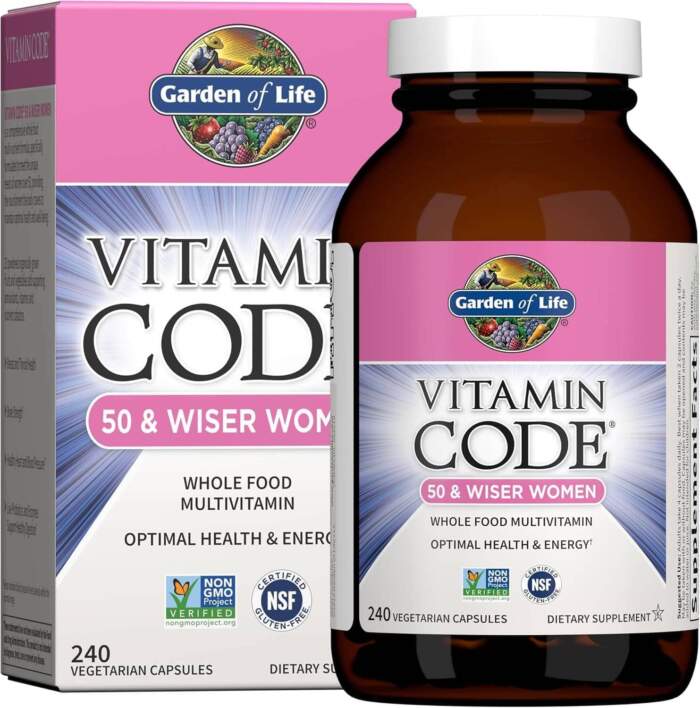
Top Pick: Garden of Life Vitamin Code 50 & Wiser Women
Things we liked
- Whole food-based formula with probiotics and enzymes
- Includes vitamin D3 and methylcobalamin B12. Iron-free and non-GMO
Things we didn’t like
- Multiple capsules per serving
- Higher price point than basic multivitamins
This is a whole food–based best multivitamin 50+ formula.
It includes vitamin D3, methylcobalamin B12, probiotics, and digestive enzymes. I like that it’s iron-free, which matters for most postmenopausal women unless iron is prescribed.
It’s also non-GMO and gluten-free. For women focused on immune support 50+ and overall women’s 50+ health, it checks a lot of boxes.
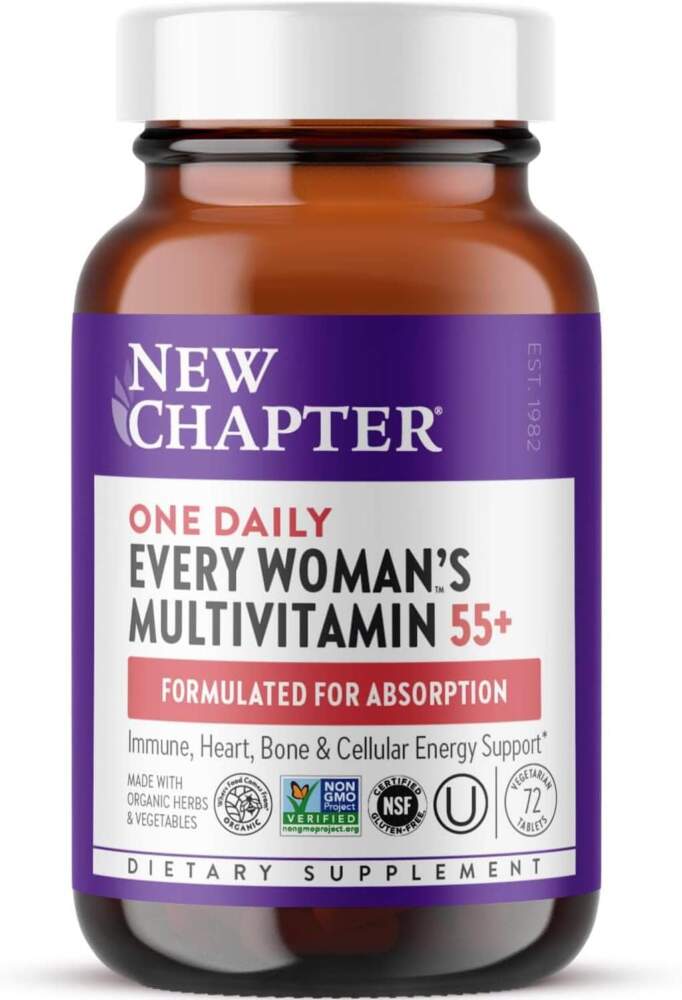
Runner-Up: New Chapter Every Woman’s One Daily 55+
Things we liked
- Convenient once-daily tablet
- Fermented nutrients for better absorption
- Gentle on the stomach
Things we didn’t like
- Lower potency in some nutrients compared to multi-capsule formulas
- Slightly expensive for a single tablet option
This one is convenient — once daily. I appreciate that because let’s be honest, remembering three pills a day gets old.
The nutrients are fermented for better absorption. It supports heart, bone, and immune health, making it a strong option for menopause support supplements.
Budget-Friendly Option: One A Day Women’s 50+ Healthy Advantage
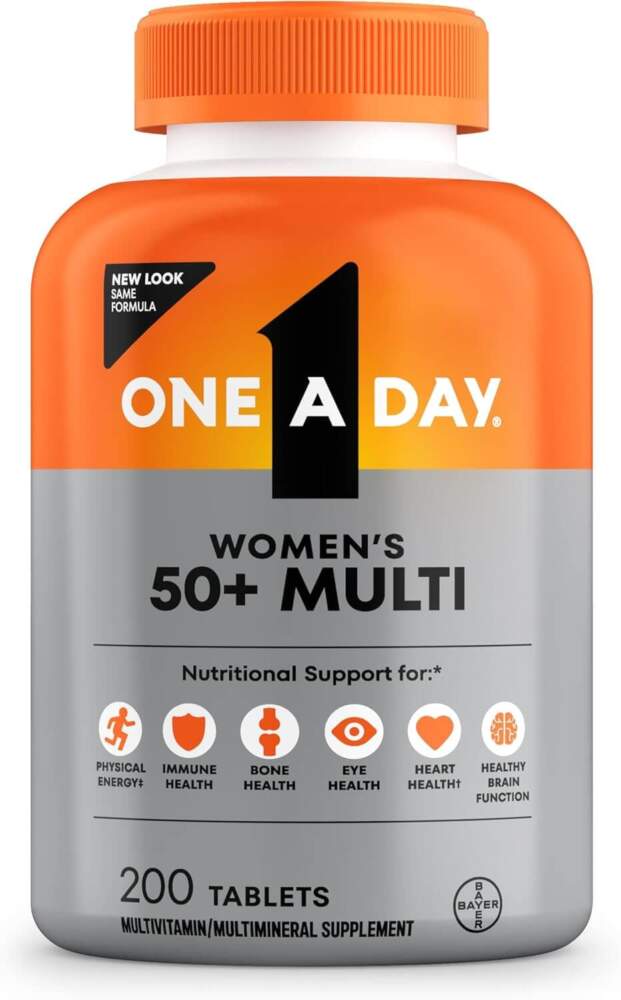
Things we liked
- Affordable and widely available
- Includes key nutrients like vitamin D and B vitamins
- Simple daily coverage
Things we didn’t like
- Not as comprehensive as premium brands
- Contains synthetic forms of some vitamins
Affordable. Widely available. Simple.
It includes calcium, vitamin D, and B vitamins. If you’re just starting out and want solid coverage without spending much, this is a practical entry point.
What to Look For in a Women’s 50+ Multivitamin
- At least 1,000–2,000 IU vitamin D
- Adequate B12 (methylcobalamin preferred)
- No unnecessary iron
- Third-party testing (USP, NSF, ConsumerLab)
Not all top rated women’s vitamins are equal. Labels matter.
Best Calcium & Vitamin D Supplements for Bone Health
Even with a multivitamin, many women still need additional calcium for women over 50.
Top Pick: Citracal Maximum Plus
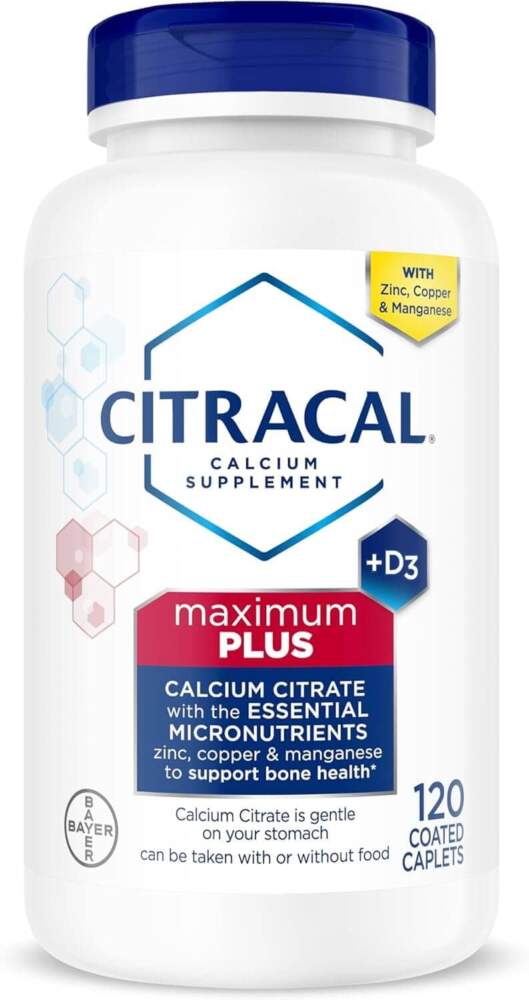
Things we liked
- Uses calcium citrate for better absorption after 50
- Includes vitamin D3
- Gentle on digestion
Things we didn’t like
- Requires multiple tablets per day
- Slightly more expensive than carbonate forms
This uses calcium citrate vs carbonate — and that’s important.
Calcium citrate is better absorbed, especially when stomach acid is lower. It also tends to be gentler on digestion.
It includes vitamin D3, making it effective for bone density support.
Alternative: Nature Made Calcium 600 mg with Vitamin D3
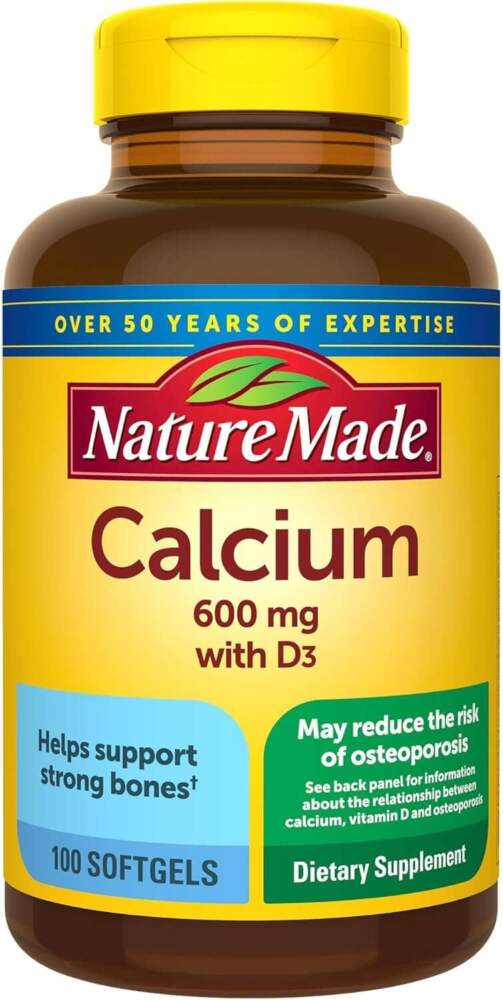
Things we liked
- USP verified for quality
- Affordable and easy to find
- Provides solid bone density support
Things we didn’t like
- Uses calcium carbonate, which may be harder to absorb
- Should be taken with food
USP verified and affordable.
It’s a good option for maintaining healthy bones after menopause, especially if you split doses throughout the day.
Why Calcium Citrate May Be Better After 50
Calcium carbonate requires stomach acid for absorption. Calcium citrate does not.
That’s why many experts recommend citrate for postmenopause nutrition.
Signs of Low Bone Density
- Height loss
- Stooped posture
- Fragility fractures
- Back pain
Bone density scans (DEXA) provide clarity, but prevention matters before symptoms appear.
Best Collagen Supplements for Skin, Joints & Muscle Support
Collagen for mature skin gets marketed heavily for wrinkles. But honestly, joint support for women is where I notice it most.
Top Pick: Vital Proteins Collagen Peptides
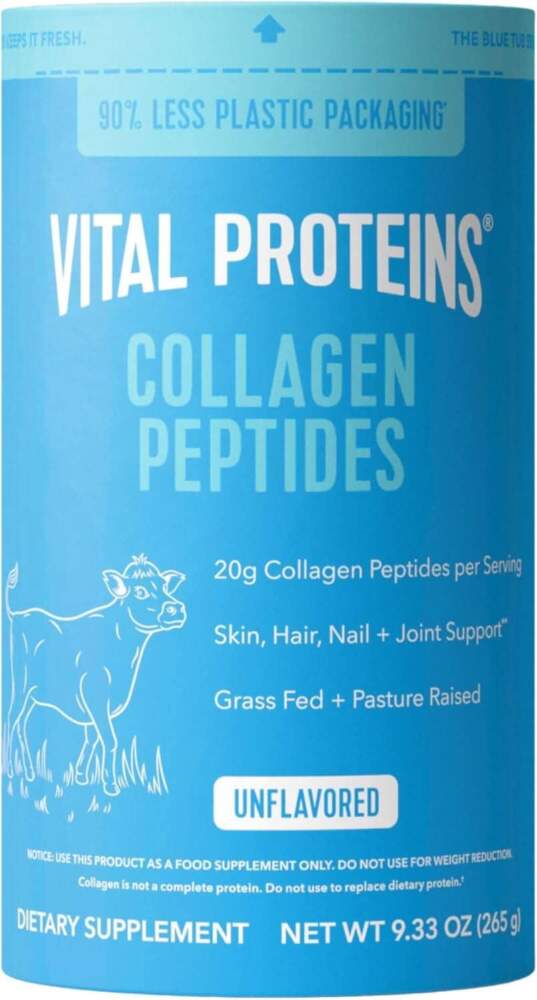
Things we liked
- Grass-fed, unflavored, and easy to mix
- Supports skin elasticity and joint comfort
- Dissolves well in hot or cold drinks
Things we didn’t like
- Pricier than some competitors
- Results take consistent use over weeks
Grass-fed, unflavored powder.
It dissolves easily in coffee or smoothies. That convenience makes it easier to stick with.
Collagen peptides powder primarily includes types I & III, which support skin elasticity supplements and connective tissue.
Alternative: NeoCell Super Collagen + Vitamin C
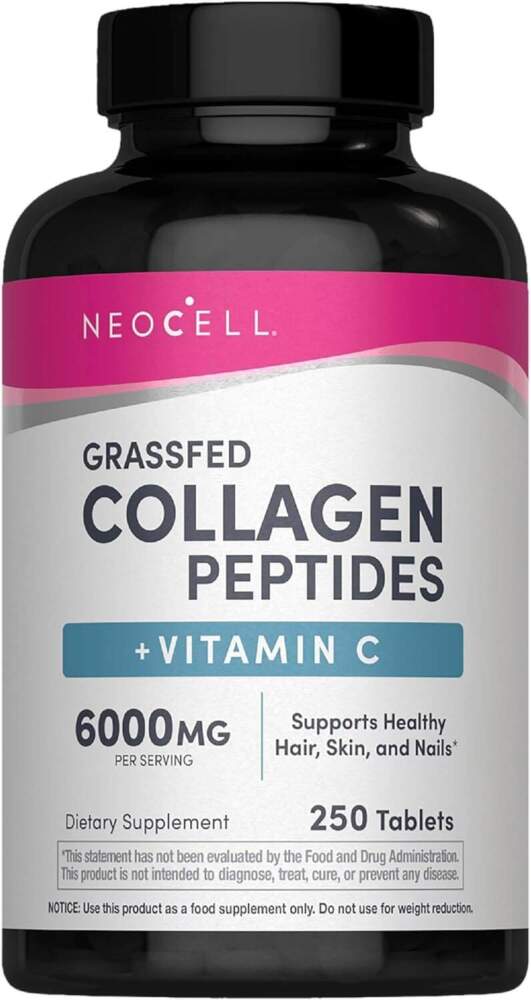
Things we liked
- Includes vitamin C for collagen synthesis
- Budget-friendly option
- Convenient tablet form
Things we didn’t like
- Large tablets may be hard to swallow
- Lower collagen dose per serving compared to powders
Tablet form, which some prefer.
Vitamin C helps with collagen synthesis. It’s budget-friendly and practical.
Benefits of Collagen After Menopause
After menopause, collagen production declines.
That affects skin elasticity, joint cushioning, and even muscle tone. Most people need 8–12 weeks before noticing visible results.
Consistency matters more than brand hype.
Best Omega-3 Supplements for Heart & Brain Health
Omega-3 benefits women in powerful ways.
Top Pick: Nordic Naturals Ultimate Omega
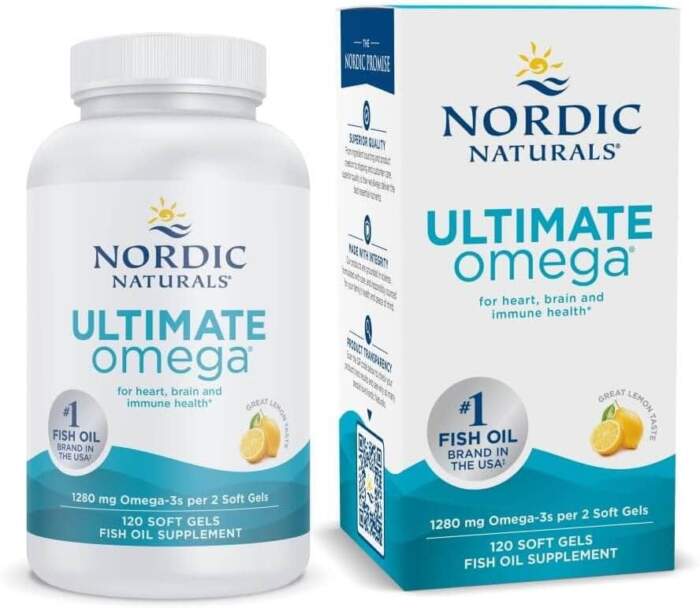
Things we liked
- High concentration of EPA and DHA
- Third-party tested for purity
- Minimal fishy aftertaste
Things we didn’t like
- More expensive than standard fish oil brands
- Requires two softgels daily
High EPA and DHA concentration.
Third-party tested. No fishy aftertaste, which I appreciate more than I can explain.
Strong option for fish oil for heart health and triglyceride support.
Budget Option: Nature Made Fish Oil 1200 mg
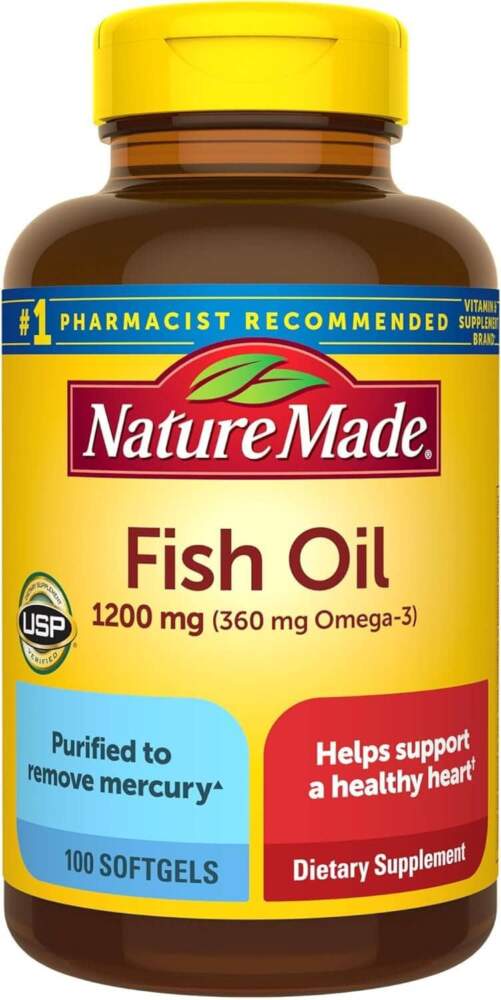
Things we liked
- USP verified and affordable
- Widely available
- Good entry-level omega-3 option
Things we didn’t like
- Lower EPA/DHA concentration per serving
- May cause mild fishy burps in some users
USP verified.
A solid, affordable entry-level best fish oil brand choice.
Recommended EPA/DHA Intake
Most experts recommend 1,000 mg combined EPA/DHA daily for general heart health.
Higher doses may be used under medical supervision for triglycerides.
Omega-3s also support brain health vitamins and cognitive clarity.
Best Magnesium Supplements for Sleep & Muscle Support
Magnesium glycinate benefits include muscle relaxation and calmness.
Top Pick: Doctor’s Best High Absorption Magnesium
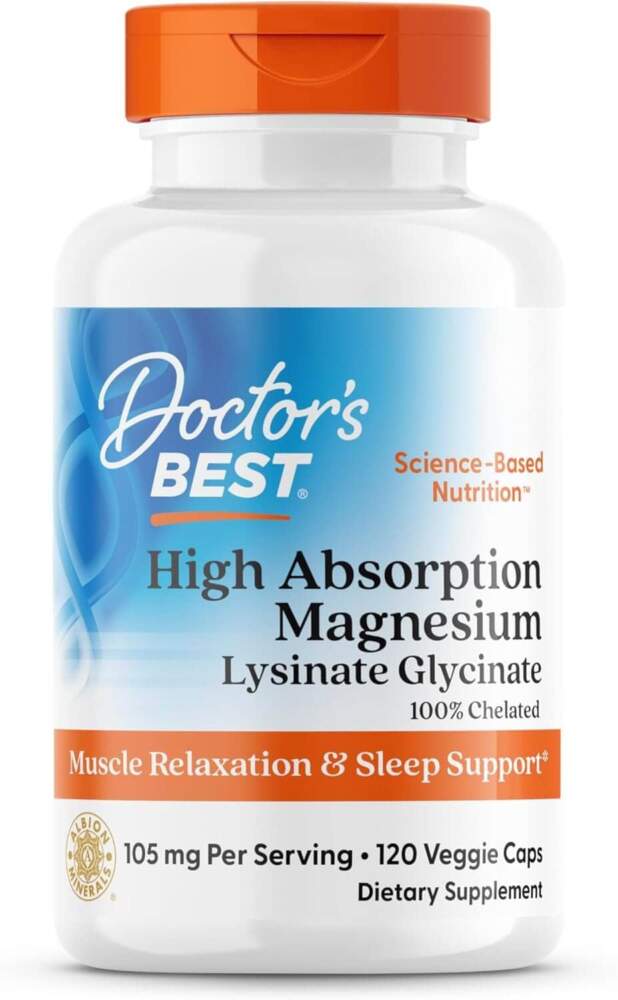
Things we liked
- Uses highly bioavailable glycinate/lysinate forms
- Gentle on the stomach
- Supports sleep and muscle relaxation
Things we didn’t like
- Requires multiple tablets daily
- Slightly higher cost than magnesium oxide products
Uses glycinate/lysinate forms.
Highly bioavailable and gentle on digestion. Great for magnesium for leg cramps and stress support.
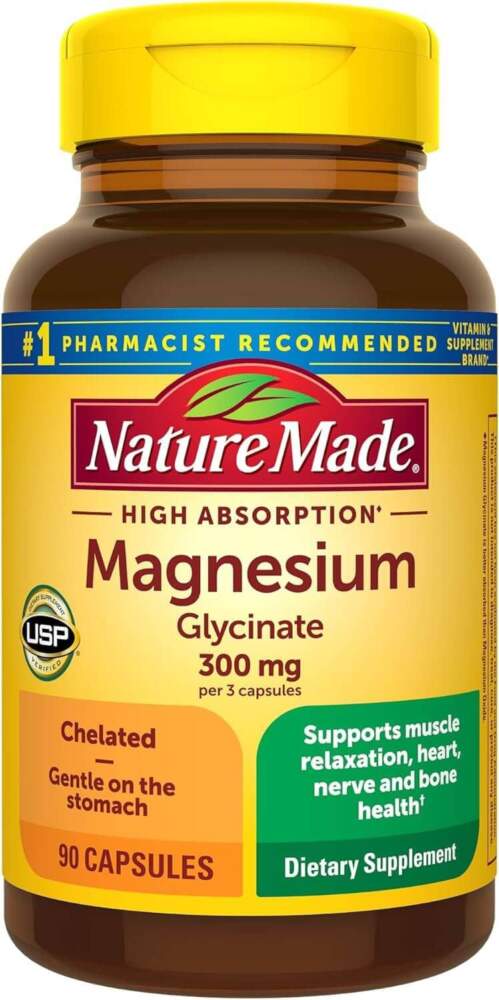
Alternative: Nature Made Magnesium Glycinate
Things we liked
- Affordable and easy to find
- Good for sleep support and leg cramps
- Simple formula
Things we didn’t like
- Lower elemental magnesium per capsule
- Not as specialized as premium blends
Simple, affordable.
Supports sleep and muscle recovery.
Best Forms: Glycinate vs. Citrate
- Glycinate: better for sleep and calm
- Citrate: helpful for digestion
Magnesium for sleep is one of the most common reasons women start supplementing.
Best Vitamin B12 Supplements for Energy
Energy supplements for women often miss the mark. B12 doesn’t give you caffeine-like stimulation, but it supports real cellular energy.
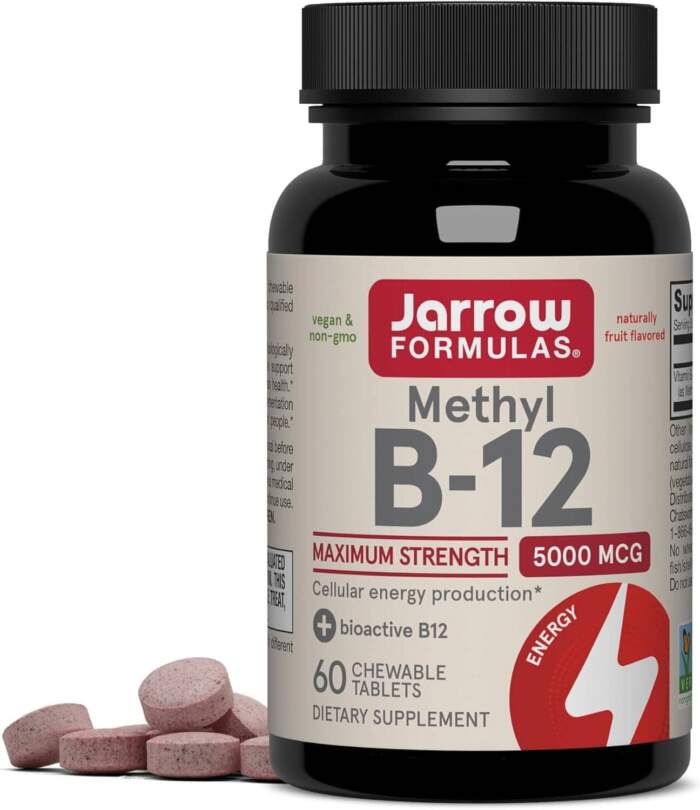
Top Pick: Jarrow Formulas Methyl B-12 (5000 mcg)
Things we liked
- Uses active methylcobalamin form
- Sublingual for better absorption
- Supports nerve and cognitive health
Things we didn’t like
- High dosage may be unnecessary for some users
- Cherry flavor may not appeal to everyone
Methylcobalamin form.
Sublingual for better absorption. Helpful for nerve and cognitive support.
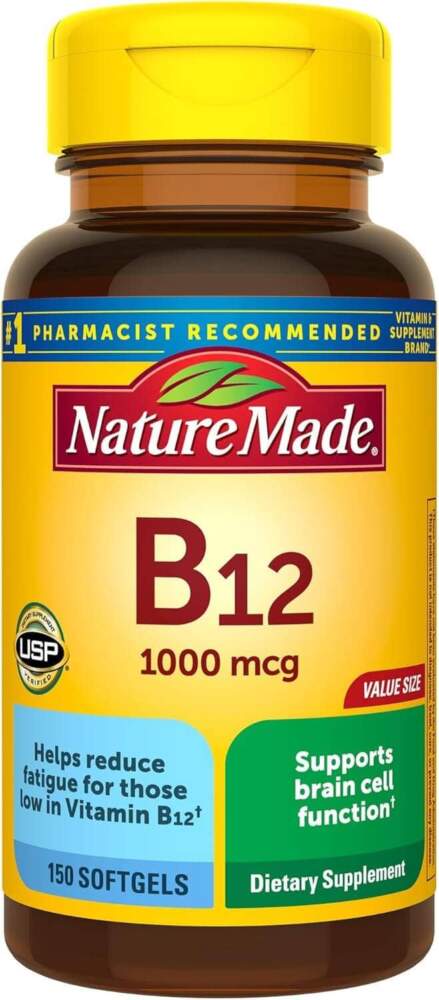
Alternative: Nature Made Vitamin B12 1000 mcg
Things we liked
- Budget-friendly and USP verified
- Simple and reliable formula
- Good maintenance dose
Things we didn’t like
- Uses cyanocobalamin instead of methylcobalamin
- Not sublingual for enhanced absorption
Budget-friendly and USP verified.
Signs of B12 Deficiency
- Fatigue
- Brain fog
- Tingling in hands/feet
- Mood changes
Many doctors recommend 500–1,000 mcg daily for maintenance.
How to Choose the Best Supplements for Women Over 50
This is where people get overwhelmed.
Here’s what I always look for:
- Third-party testing (USP, NSF)
- No megadoses unless prescribed
- No duplicate ingredients across products
- Clear labeling
- Reputable brands
If you have osteoporosis, thyroid issues, or heart disease, talk to a provider before starting new menopause support supplements.
Supplements for hormonal balance aren’t magic — they’re support tools.
Are Supplements Safe for Women Over 50?
Generally, yes — when used appropriately.
When food should come first? Always. A balanced diet supports postmenopause nutrition better than any pill.
Risks of over-supplementation include kidney stones (excess calcium), nerve issues (too much B6), or bleeding risk (high-dose omega-3 with blood thinners).
Quality control concerns are real. That’s why third-party testing matters.
Medication interactions — especially blood thinners or thyroid meds — should never be ignored.
Conclusion
Finding the best supplements for women over 50 doesn’t have to feel overwhelming.
Focus on what changes most after menopause: bone density, heart health, muscle mass, energy, and nutrient absorption.
Start with a quality iron-free multivitamin. Add targeted support like calcium with vitamin D, collagen for joint support for women, omega-3 for heart health supplements, magnesium for sleep, or B12 for older women depending on your personal needs.
Aging is not about decline — it’s about support.
With the right healthy aging supplements and lifestyle habits, you can feel strong, energized, and confident well beyond 50.
If you’re ready to upgrade your routine, choose one or two of the top rated women’s vitamins above and start there.
And if you’ve found a supplement that truly made a difference for you, share it. We all learn better together.
FAQ
The most important supplements for women over 50 typically include a high-quality iron-free multivitamin, calcium with vitamin D3 for bone density support, omega-3 fatty acids for heart health, magnesium for sleep and muscle function, and vitamin B12 for energy and brain health. Individual needs vary, so personal health conditions and lab results should guide choices.
Most women over 50 need between 1,000 and 2,000 IU of vitamin D3 daily, though some may require more if they have a deficiency. A blood test can determine the correct dosage, and vitamin D should ideally be paired with calcium for optimal bone health.
Most postmenopausal women do not need iron in their multivitamin unless prescribed by a healthcare provider. After menopause, iron requirements decrease, and excess iron can accumulate in the body, so an iron-free multivitamin is often recommended.
Calcium citrate is often better for women over 50 because it does not require as much stomach acid for absorption. Since stomach acid production can decline with age, calcium citrate may be absorbed more efficiently and is generally gentler on digestion.
Collagen supplements may support skin elasticity, joint comfort, and muscle maintenance after menopause. Hydrolyzed collagen peptides, especially types I and III, are commonly used, and most women notice benefits after consistent use for 8 to 12 weeks.
For general heart health, most experts recommend about 1,000 mg of combined EPA and DHA daily. Higher doses may be used for triglyceride support under medical supervision, and choosing a third-party tested fish oil supplement is important.
Vitamin B12 is essential for nerve function, red blood cell production, and energy metabolism. Absorption decreases with age due to lower stomach acid levels, so sublingual methylcobalamin supplements are often recommended for better absorption.
Some supplements can interact with medications, including blood thinners, thyroid medications, and blood pressure drugs. Women over 50 should consult a healthcare provider before starting new supplements to avoid potential interactions.
Supplements are meant to support, not replace, a balanced diet. Whole foods provide fiber, antioxidants, and phytonutrients that pills cannot fully replicate, so supplements should fill nutrient gaps rather than act as a substitute for healthy eating.
Symptoms like fatigue, brittle bones, muscle weakness, brain fog, or frequent illness may indicate a deficiency, but blood tests are the most accurate way to confirm nutrient levels. Regular checkups can help identify gaps and guide appropriate supplementation.