Introduction
If you’ve ever taken a pre-workout and suddenly felt your skin buzzing or tingling like it’s alive — congrats, you’ve met the beta-alanine itch. It’s one of those sensations you don’t forget. The first time I felt it, I thought I was having an allergic reaction! But it turns out, this “itch” is totally normal — and even a sign that your supplement is kicking in.
Beta-alanine has become one of the most researched and effective supplements for endurance, strength, and power output. Yet for many gym-goers, the first noticeable effect isn’t more reps — it’s that signature tingle.
In this guide, we’ll dive into what causes the beta-alanine itch, how long it lasts, why it happens, and — most importantly — how to minimize it without losing the supplement’s benefits.
What Causes the Beta-Alanine Itch?
Let’s start with what’s actually happening under your skin. When you take beta-alanine, it doesn’t directly boost your strength — it helps your body increase levels of carnosine in your muscles. Carnosine is a dipeptide made from beta-alanine and histidine, and it acts as a buffer to reduce acid buildup during intense exercise. This means you can push harder and last longer before fatigue sets in.
Now, the infamous tingling sensation, known scientifically as paresthesia, is caused when beta-alanine binds to Mas-related G protein–coupled receptors (MrgD) located on sensory neurons in your skin. When these receptors are activated, they send signals that create that tingling or “pins and needles” feeling — especially around the face, neck, and hands.
Here’s the key part: it’s harmless. The itch or tingling isn’t an allergic reaction or nerve damage. It’s simply a temporary sensory response to a flood of beta-alanine entering your system.
Some people feel it more strongly than others, and that often depends on:
- Dosage: Higher doses (above ~2 grams) cause more intense tingling.
- Body weight and composition: Smaller individuals or those with lower fat mass might feel it more.
- Sensitivity: Some people’s neurons are simply more responsive.
So if you’re feeling that itch, congratulations — your beta-alanine is doing its job.
How Long Does the Beta-Alanine Itch Last?
For most people, the beta-alanine itch lasts between 15 to 60 minutes. Typically, it starts 10–20 minutes after ingestion and peaks shortly after. I’ve noticed it myself — usually, I’ll feel the tingles by the time I’m halfway through my warm-up, and by the time I start my main lifts, it’s faded.
But not everyone’s experience is identical. Several factors influence how long beta-alanine tingling lasts, including:
- Dosage size: A 3–4g dose will produce a stronger and longer effect than a 1.6g microdose.
- Fasted vs. fed state: Taking beta-alanine on an empty stomach often leads to faster absorption — and a sharper itch.
- Individual tolerance: Just like caffeine, your body adapts over time. After a few weeks of consistent use, most people barely feel the tingles anymore.
Here’s a fun myth worth busting: more itch ≠ more effectiveness. Some gym-goers chase the tingle thinking it signals a “strong” pre-workout, but that’s not the case. The itch simply reflects how quickly beta-alanine is entering your bloodstream — not how well it’s increasing your muscle carnosine levels (which is what truly enhances performance).
Studies have confirmed this. Research published in the Journal of Strength and Conditioning Research found that muscle carnosine accumulation — not paresthesia intensity — predicts improvements in muscular endurance. In other words, whether you feel the itch or not, the supplement still works if you take it consistently.

Factors That Affect Beta-Alanine Itch Intensity
Over the years, I’ve experimented with different forms, doses, and timings of beta-alanine — and learned that several factors change how intense the itch feels.
1. Dosage
This one’s the most obvious. The tingling tends to kick in noticeably when doses exceed 2 grams at once.
Most pre-workouts contain between 2–3.2 grams, which is enough to trigger that itchy “rush.”
If you’re using beta-alanine purely as a standalone supplement, you can split your dose — say, 1.6g in the morning and another 1.6g later — to avoid overwhelming your receptors all at once.
2. Form: Sustained-Release vs. Instant-Release
If you can’t stand the tingles, look for sustained-release (SR) or time-release beta-alanine. These formulas release the amino acid gradually, preventing the blood concentration spike that activates your skin’s sensory nerves.
Several studies, including one published in Amino Acids (2022), found SR beta-alanine produces similar carnosine gains but significantly less paresthesia.
3. Timing and Food Intake
Taking beta-alanine with food slows absorption and reduces the tingle. That’s why I usually pair my beta-alanine dose with a pre-workout meal or shake — not only does it help the stomach, but it smooths out that “ants under the skin” feeling.
4. Body Composition and Sensitivity
Individual nerve sensitivity plays a role too. Some people are simply wired to feel the tingles more sharply. Your body fat percentage, hydration, and even skin nerve density can subtly affect this.
5. Tolerance Over Time
Good news: the itch usually diminishes after 1–2 weeks of consistent use. Your body becomes desensitized as muscle carnosine stores build up. So if you’re new to beta-alanine, that initial buzz won’t last forever — stick with it.
How to Reduce or Prevent Beta-Alanine Itch
Okay, so maybe you like the performance boost but not the “fire ants” feeling. Here are some science-backed and real-world tested ways to minimize beta-alanine tingles without sacrificing the benefits.
1. Start Low, Build Up
Begin with smaller doses around 1–1.6g per serving. Give your body a few days to adapt, then gradually increase to your target total (usually 3.2–5g/day). This progressive approach helps your nervous system adjust to the supplement.
2. Split Doses Throughout the Day
Instead of taking one big dose, divide it into 2–3 smaller doses spaced out. For example: 1.6g with breakfast, 1.6g mid-afternoon, and 1.6g pre-workout. This keeps blood beta-alanine levels steady while minimizing the sharp peaks that cause itching.
3. Choose Sustained-Release or Time-Release Formulas
Many brands now offer sustained-release beta-alanine, which delivers the same benefits with less discomfort. A 2023 study from Nutrients found that users experienced up to 60% less paresthesia with time-release versions compared to standard powders.
4. Take Beta-Alanine With Meals
Food slows down absorption, particularly when fat or carbs are present. Pair your supplement with a meal or smoothie to ease the tingling sensation.
5. Combine Supplements Carefully
Some pre-workouts stack beta-alanine, niacin, and caffeine — all of which can cause tingling or flushing. If your pre-workout feels like your skin’s on fire, the combination could be amplifying the effect. Consider using a standalone beta-alanine supplement to control your dose.
6. Be Patient
Most importantly, remember that the itch fades over time. After about two weeks, your body adjusts. The tingling won’t disappear entirely, but it’ll likely become a mild, fleeting sensation.
Is the Beta-Alanine Itch a Good or Bad Thing?
Let’s be real — some people love the itch. They say it feels like their pre-workout is “working.” Others can’t stand it and think something’s wrong. So which is it?
Scientifically speaking, the itch has no direct correlation with performance gains. The tingling is just a byproduct of how your body processes the amino acid — not an indicator of its effectiveness in the gym.
What matters more is consistent daily intake, because beta-alanine’s real benefit lies in raising muscle carnosine over time. That buildup takes 2–4 weeks, depending on your dose, and it’s what leads to measurable endurance improvements — not how itchy your face feels on day one.
That said, the itch can have a psychological “kick.” Many lifters associate it with energy and readiness — a placebo effect that might actually boost motivation. Personally, I kind of like it. It’s like a reminder that it’s “go time.”
Still, for anyone sensitive to the feeling, it’s fine to minimize it. You’re not losing out on results by reducing the tingles.
Safe Dosage & Supplement Tips
If you want the performance benefits without side effects, here’s how to take beta-alanine safely and effectively.
1. Recommended Daily Intake
Most studies support 2–5 grams per day, divided into smaller doses. Research suggests that a daily total of around 3.2g over several weeks saturates muscle carnosine stores and boosts high-intensity performance.
2. Loading and Maintenance
Some athletes use a loading phase (4–6g per day for 2–4 weeks) followed by a maintenance phase (1.6–3.2g daily). While not essential, it can help you reach optimal carnosine levels faster.
3. Stack with Creatine
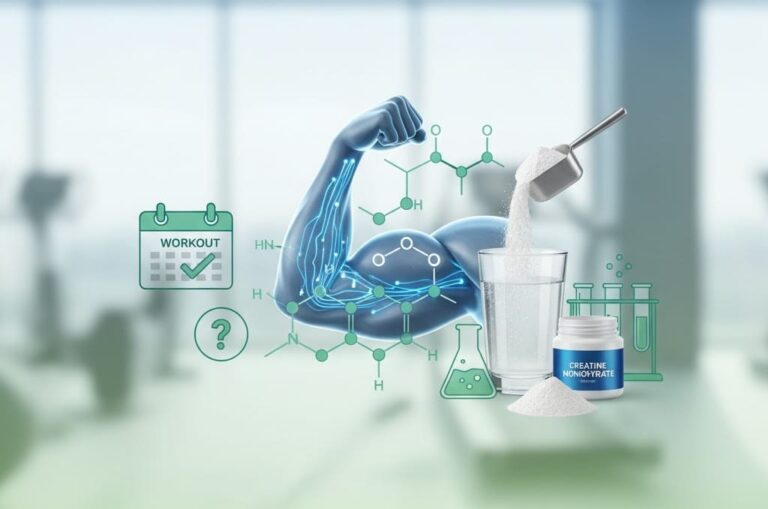
Beta-alanine pairs well with creatine monohydrate. Creatine helps with quick energy bursts (ATP regeneration), while beta-alanine helps buffer acid during sustained effort. Together, they form one of the most effective supplement stacks for strength and endurance.
4. Avoid Overdosing
More isn’t better. Going above 6g/day increases the chance of severe paresthesia without offering more benefits. If you accidentally double-dose (we’ve all done it), the worst that’ll happen is a longer, more intense tingling session — but it’s not dangerous.
5. Check for Quality
Always choose supplements that are NSF-certified, Informed-Sport, or third-party tested to ensure purity and accurate labeling. Cheap, unverified powders sometimes contain contaminants or mislabeled doses.
6. Consult if Unsure
If you have neurological sensitivities, skin conditions, or are on medication, consult a healthcare professional before starting any supplement regimen.
Conclusion
So, how long does the beta-alanine itch last? Usually 20 to 45 minutes, just long enough to remind you your body’s gearing up for action. It’s a harmless, short-lived sensation that fades as your body adapts — and it doesn’t determine how effective your supplement is.
If the tingling drives you crazy, you’ve got plenty of options: smaller doses, sustained-release forms, and consistent use all help reduce it. But if you’re like me and enjoy that pre-workout buzz — lean into it! It’s your nervous system saying, “Let’s do this.”
At the end of the day, beta-alanine remains one of the most researched, safest, and effective endurance supplements out there. Whether you’re training for a marathon or just chasing a new PR in the gym, understanding the itch helps you get the most out of your supplementation — minus the mystery.
Happy training, and may your tingles always be productive!
FAQ
The beta-alanine itch, or paresthesia, happens when beta-alanine binds to nerve receptors called Mas-related G protein–coupled receptors (MrgD) in the skin. This triggers a tingling or prickling sensation — most commonly on the face, neck, and arms. It’s completely harmless and temporary, not an allergic reaction or side effect of toxicity.
For most people, the beta-alanine tingling lasts 15 to 60 minutes, depending on dosage and individual tolerance. It typically begins about 10–20 minutes after ingestion and fades gradually as the supplement is absorbed. Consistent users often notice the itch decreases over time due to tolerance buildup.
To reduce beta-alanine itch, try:
Splitting your dose into smaller servings (1–1.6g each) throughout the day.
Taking it with food to slow absorption.
Using sustained-release or time-release beta-alanine formulas.
Over time, your body naturally adapts, and the tingling subsides even with regular use.
Not necessarily. The tingling only shows that beta-alanine is rapidly entering your bloodstream — it doesn’t measure how effective it is. The real benefits come from consistent daily use, which increases muscle carnosine levels and improves endurance and high-intensity performance.
Yes, but only by controlling how fast beta-alanine is absorbed. Using time-release capsules, taking smaller doses, or pairing it with meals can virtually eliminate the sensation. However, avoiding the itch doesn’t mean you’re missing out on results — the performance boost remains the same.
Yes, beta-alanine is safe for most healthy adults when taken at recommended doses (2–5 grams per day). The tingling sensation is a known, harmless side effect. To ensure product safety, choose NSF-certified or third-party tested supplements and consult your doctor if you have medical conditions or take medications.
The tingling fades in under an hour, but the performance-enhancing effects come from long-term carnosine accumulation in muscles. Once you’ve been supplementing daily for several weeks, carnosine levels can remain elevated for weeks after stopping — meaning benefits persist beyond the tingling phase.
Both! Beta-alanine improves performance in any high-intensity or endurance activity, including sprinting, cycling, CrossFit, and HIIT. By buffering lactic acid, it helps delay fatigue, allowing you to sustain harder efforts longer — whether that’s a 400m sprint or your last set of squats.
The sweet spot is between 3.2–5 grams daily. You can split it into smaller doses (1.6–2g) to minimize tingling while maintaining steady carnosine buildup. Consistency matters more than timing — aim for a daily routine rather than chasing the pre-workout buzz.