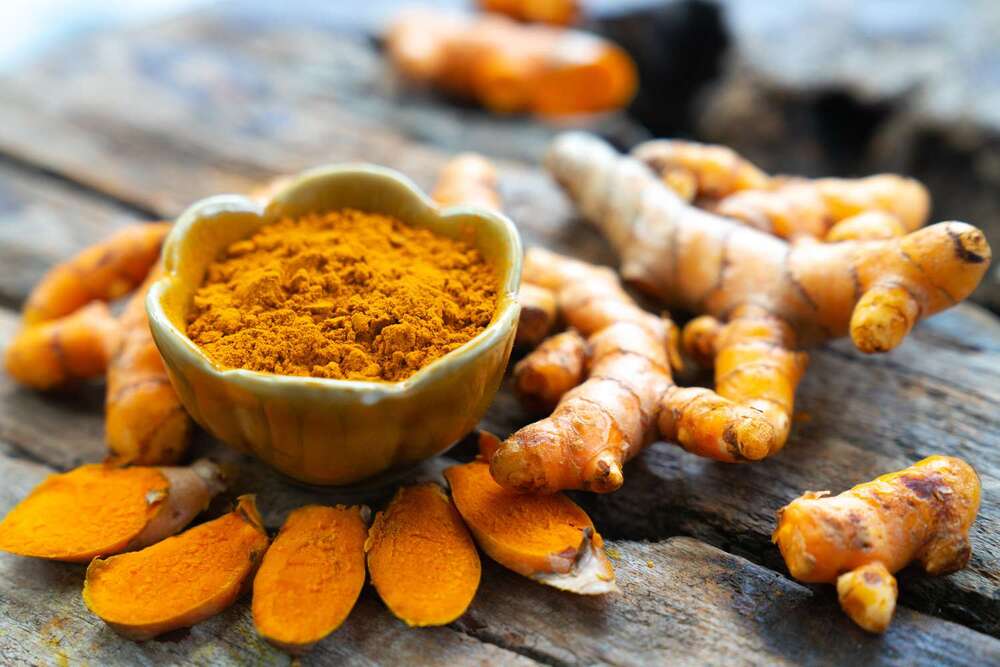
Introduction
Ever hobbled down the stairs after leg day, wondering if the pain is worth it? I’ve been there — aching quads, sore shoulders, and that stubborn stiffness that lingers like a bad joke. What if there was a natural way to ease that burn? Enter curcumin, the golden-yellow powerhouse compound found in turmeric.
Now, turmeric has been used for centuries in Ayurvedic medicine, but in the fitness world, it’s curcumin that’s stealing the spotlight. Why? Because studies show it can reduce post-workout soreness, combat inflammation, and speed up recovery. But — and this is a big one — curcumin on its own isn’t well absorbed by the body. The magic lies in enhancing its bioavailability and timing your intake strategically.
In this post, I’ll break down everything I’ve learned (and tested myself): how curcumin actually works, when to take it, how much, and how to choose a supplement that actually does something. No fluff — just real-world science and experience you can use starting today.
What Is Curcumin and Why It Matters for Muscle Recovery
I still remember when I first swapped my post-workout ibuprofen for curcumin. I didn’t expect much — but a week later, I realized I wasn’t limping after heavy squats. That’s when I started digging into the science.
Curcumin is the active compound in turmeric responsible for its anti-inflammatory and antioxidant effects. While turmeric powder only contains about 2–5% curcumin, concentrated supplements deliver standardized doses (usually 95% curcuminoids).
So, how does this bright compound help your sore muscles? After intense exercise, your body ramps up inflammation — it’s how your muscles adapt and grow. But too much inflammation can delay recovery and cause delayed onset muscle soreness (DOMS). Curcumin steps in by reducing pro-inflammatory cytokines and neutralizing free radicals, effectively calming the internal “fire” that makes you stiff and sore.
Several clinical studies support this. For example, athletes who took curcumin for a week before and after training experienced significantly less soreness and faster recovery. Others saw improvements in muscle performance, reduced swelling, and lower creatine kinase levels (a marker of muscle damage).
And let’s clear up one thing: turmeric and curcumin aren’t the same. Turmeric is the spice — curcumin is the potent compound inside it. If you’re serious about recovery, you’ll want curcumin extract supplements, not just turmeric powder in your smoothies.
The Science Behind Curcumin’s Anti-Inflammatory Effects
Here’s where it gets nerdy (but in a good way). Curcumin’s secret weapon lies in its effect on NF-κB, a protein complex that controls inflammation in your cells. After an intense workout, NF-κB gets activated, leading to a surge in inflammatory cytokines like TNF-α and IL-6. Curcumin helps suppress that cascade, keeping inflammation in check — but without the side effects of NSAIDs like ibuprofen.
Unlike NSAIDs, which blunt inflammation and muscle adaptation, curcumin allows your body to recover naturally while still minimizing excessive pain. It’s like having an internal “recovery switch” that helps you bounce back without slowing muscle growth.
Curcumin also reduces oxidative stress by scavenging free radicals and boosting your body’s own antioxidant defenses (like glutathione). That’s especially helpful after endurance sessions or HIIT workouts where oxidative stress is high.
The effects aren’t instant — consistent supplementation is key. Studies show that taking curcumin daily over time reduces inflammation markers and helps athletes sustain better recovery rates. I personally noticed that after about 10 days of consistent use, I could train harder without that deep muscle fatigue creeping in.
Bioavailability: Why Regular Curcumin Isn’t Enough
Here’s the frustrating truth: curcumin has notoriously poor bioavailability. On its own, it’s barely absorbed — meaning most of what you take passes right through your system. I learned this the hard way when I first started with basic turmeric capsules. Spoiler: no difference whatsoever.
That’s when I learned about bioavailability enhancers. Enter piperine, the active compound in black pepper. It boosts curcumin absorption by up to 2,000% (yes, really). That’s why many high-quality curcumin supplements include piperine — or advise taking them with food that contains healthy fats.
Beyond piperine, there are advanced formulations designed for better absorption:
- BCM-95 — combines curcumin with turmeric essential oils for enhanced uptake.
- Meriva — a phospholipid-based form that binds curcumin to fat molecules for better delivery.
- Liposomal curcumin — encapsulated in lipids, providing faster, sustained absorption.
Each has its perks. Personally, I’ve had great results with Meriva — fewer pills, noticeable results, and no stomach upset.
When shopping, look for standardized extracts with at least 95% curcuminoids and ideally one of these enhanced delivery systems. Steer clear of cheap “turmeric root powder” supplements that don’t mention bioavailability.
Timing and Dosage: When and How Much Curcumin to Take Post-Workout
Timing makes all the difference — and this is where most people get it wrong.
The best time to take curcumin is within 1–2 hours after your workout, ideally with a meal that contains fat (like avocado or salmon). This helps with absorption and ensures curcumin is in your bloodstream during the key recovery phase when inflammation peaks.
Most studies suggest a daily dosage of 500–1000 mg of standardized curcumin extract, though some athletes go up to 2000 mg divided into two doses (morning and post-workout). Personally, I stick to 500 mg twice daily, with breakfast and dinner.
A few other tips that made a difference for me:
- Take with fats — curcumin is fat-soluble, so pair it with olive oil, nuts, or omega-3s.
- Combine with piperine — for maximum absorption.
- Be consistent — curcumin works best cumulatively, not as a one-time fix.
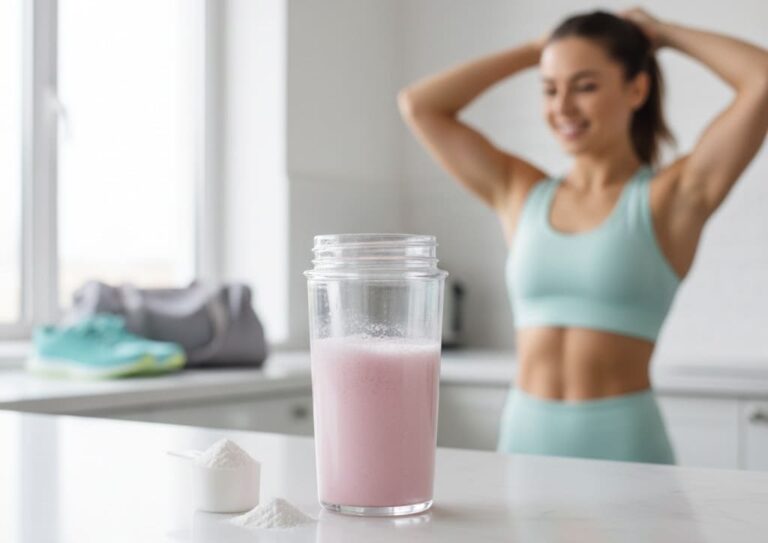
If you’re already taking recovery supplements like collagen, omega-3s, or electrolytes, curcumin fits in seamlessly. I often pair it with a protein shake and some omega-3 capsules post-workout — my “anti-soreness stack.”
Curcumin in Your Diet: Food Sources vs. Supplements
You’ve probably seen turmeric lattes or “golden milk” trending on social media. They’re delicious, sure — but when it comes to muscle recovery, food sources alone aren’t enough.
Turmeric powder contains only a small fraction of curcumin, and cooking or heating it further reduces its potency. Even a tablespoon of turmeric gives you maybe 100–200 mg of curcumin, and only a small percentage of that is absorbed. So unless you’re eating turmeric by the spoonful with black pepper and fat (which sounds… unpleasant), you won’t hit therapeutic levels.
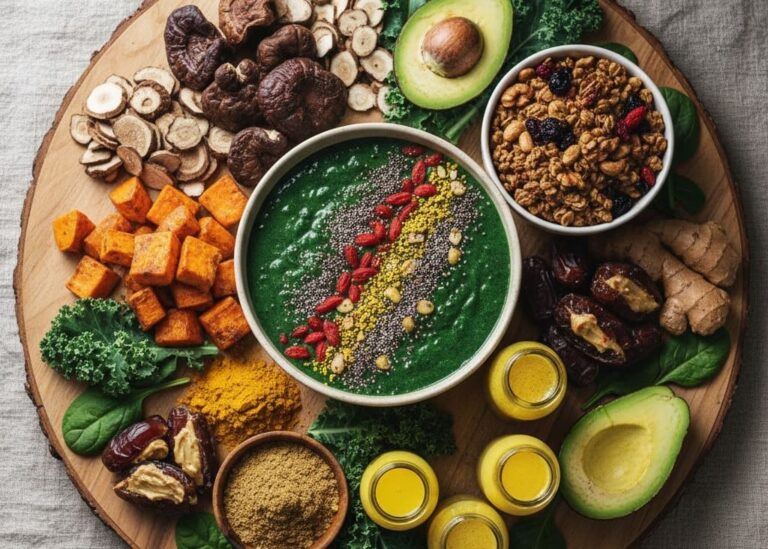
That said, I still like adding turmeric to my meals — scrambled eggs, smoothies, or roasted veggies. It’s an easy way to keep inflammation at bay naturally. Think of supplements as your concentrated “boost,” not a replacement for a balanced diet.
If you’re experimenting with recipes, combine turmeric with black pepper and healthy fats to mimic what bioavailable supplements do. My go-to? Golden milk with oat milk, a dash of black pepper, and a spoonful of coconut oil before bed.
Safety, Side Effects, and Who Should Avoid Curcumin
Curcumin is generally safe, but like anything powerful, it’s not for everyone.
If you’re on blood thinners, antacids, or medications for diabetes, check with your doctor first — curcumin can interact with these. Some people may experience mild stomach upset, acid reflux, or headaches if they take too much too quickly.
The upper safe limit for curcumin is around 2000–3000 mg daily, but there’s no need to go that high. In fact, more isn’t always better — cycling your use (say, 8 weeks on, 2 weeks off) can help your body stay responsive.
For athletes, older adults, and those with joint pain, curcumin can be a game-changer — as long as it’s part of a holistic recovery plan that includes sleep, hydration, and proper nutrition.
Watch for warning signs of poor tolerance, like digestive discomfort or nausea. If that happens, try lowering your dose or switching formulations (Meriva tends to be gentler on the stomach).
Combining Curcumin with Other Post-Workout Recovery Strategies
Think of curcumin as a teammate, not a solo act. Its real magic happens when combined with smart recovery habits.
Here’s my typical post-workout recovery stack:
- Protein shake (for muscle repair)
- Curcumin with piperine (for inflammation control)
- Omega-3s (for joint and brain health)
- Collagen (for tendon and ligament support)
- Hydration and electrolytes
- Light stretching + foam rolling
Sleep is another underrated recovery tool. Curcumin supports healthy sleep patterns by reducing oxidative stress — and we all know, good sleep equals better recovery.
I’ve noticed that on days I combine all these — clean nutrition, curcumin, and a bit of mobility work — I feel like I could hit the gym again the next morning without wincing. It’s like stacking micro-recoveries that add up over time.
Conclusion
If you’ve ever pushed yourself in the gym only to spend the next three days waddling around like a penguin, curcumin might just be your new recovery hero. It’s not a miracle cure — but it’s a powerful natural tool to ease post-workout soreness, reduce inflammation, and help your muscles rebuild stronger.
The secret lies in bioavailability (choose a form with piperine or lipid delivery), timing (take it within a couple of hours post-exercise), and consistency (daily use pays off).
I’ve seen firsthand how adding curcumin — even just 500 mg a day — transformed my recovery. No more endless soreness, no more popping NSAIDs. Just smoother, faster bounce-backs and better training sessions.
So next time you’re planning your recovery stack, think beyond protein and carbs. Think turmeric, timing, and total recovery. Trust me — your muscles will thank you later.
✅ Key Takeaways:
- Curcumin reduces inflammation, DOMS, and oxidative stress.
- Absorption is the key — use piperine or advanced formulas.
- Take 500–1000 mg within 2 hours post-workout, with fats.
- Consistency beats one-off use.
- Combine with proper sleep, hydration, and nutrition for best results.
FAQ
Curcumin helps reduce post-workout muscle soreness by lowering inflammation and oxidative stress in the body. After intense exercise, muscles release inflammatory markers that cause stiffness and pain. Curcumin’s anti-inflammatory and antioxidant properties calm that response, helping muscles recover faster and feel less sore.
Most studies recommend between 500 mg to 1000 mg of standardized curcumin extract per day for muscle recovery. For best results, take it within one to two hours after exercise, ideally with food or a source of healthy fat to boost absorption. If your supplement includes piperine (black pepper extract), absorption is even better.
Curcumin on its own is poorly absorbed, so choosing a bioavailable form is key. Look for supplements that use advanced formulations like BCM-95, Meriva, or liposomal curcumin, which combine curcumin with fats or essential oils to improve uptake. A formula that includes piperine can increase absorption by up to 2000%.
You can take curcumin before and after your workout, but post-workout timing may be more effective for reducing inflammation and soreness. Taking it 1–2 hours after exercise helps your body recover during the critical window when inflammation peaks. Some athletes also take a smaller dose pre-workout to limit oxidative stress during training.
While curcumin isn’t a direct replacement for NSAIDs, it offers similar anti-inflammatory benefits without the harsh side effects. Research suggests that curcumin may be a gentler alternative to ibuprofen for managing soreness, swelling, and joint discomfort — especially when taken consistently over time.
Yes, curcumin is considered safe for most people when taken at recommended doses (up to 2000 mg per day). However, if you’re taking medications like blood thinners or antacids, consult your doctor first. Some users prefer to cycle their intake (for example, 8 weeks on, 2 weeks off) to maintain effectiveness and avoid tolerance buildup.
Curcumin is fat-soluble, which means it absorbs better when taken with healthy fats such as avocado, olive oil, or coconut milk. Pairing curcumin with black pepper also enhances absorption dramatically. A popular option is golden milk — a mix of turmeric, black pepper, and warm milk or plant-based alternatives.
Absolutely. Curcumin is widely studied for its benefits on joint health and arthritis-related inflammation. It reduces pain, swelling, and stiffness in both athletic recovery and chronic joint conditions. For active people, regular curcumin supplementation supports long-term joint mobility and flexibility.
Not quite. Turmeric contains only about 2–5% curcumin, which means you’d need large amounts to match the effects of a standardized curcumin extract supplement. While turmeric can still support general wellness, curcumin supplements are the more potent and research-backed choice for post-workout recovery.
Yes! Combining curcumin with protein, collagen, or omega-3s can amplify your recovery. Curcumin reduces inflammation, while protein and collagen support muscle and tendon repair. I usually take my curcumin capsule right after my protein shake — it’s an easy habit that makes a noticeable difference in soreness and recovery time.