Introduction
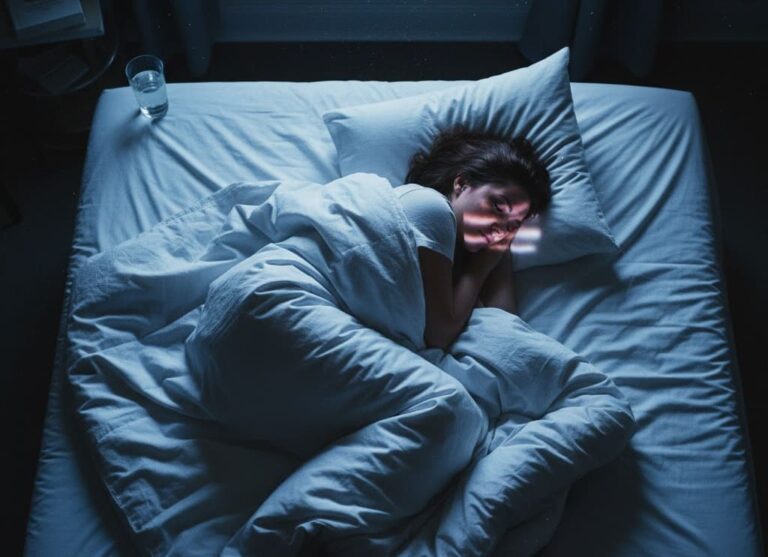
“I feel tired all day, but the second my head hits the pillow, my brain wakes up.” I remember saying that almost word-for-word to my doctor years ago, half laughing, half ready to cry. And I hear the exact same line from clients and friends all the time.
Sleep problems are basically the new normal. Surveys suggest roughly 1 in 3 adults deal with insomnia or crappy, broken sleep several nights a week. No wonder so many people are reaching for anything that promises a “natural” way to knock them out.
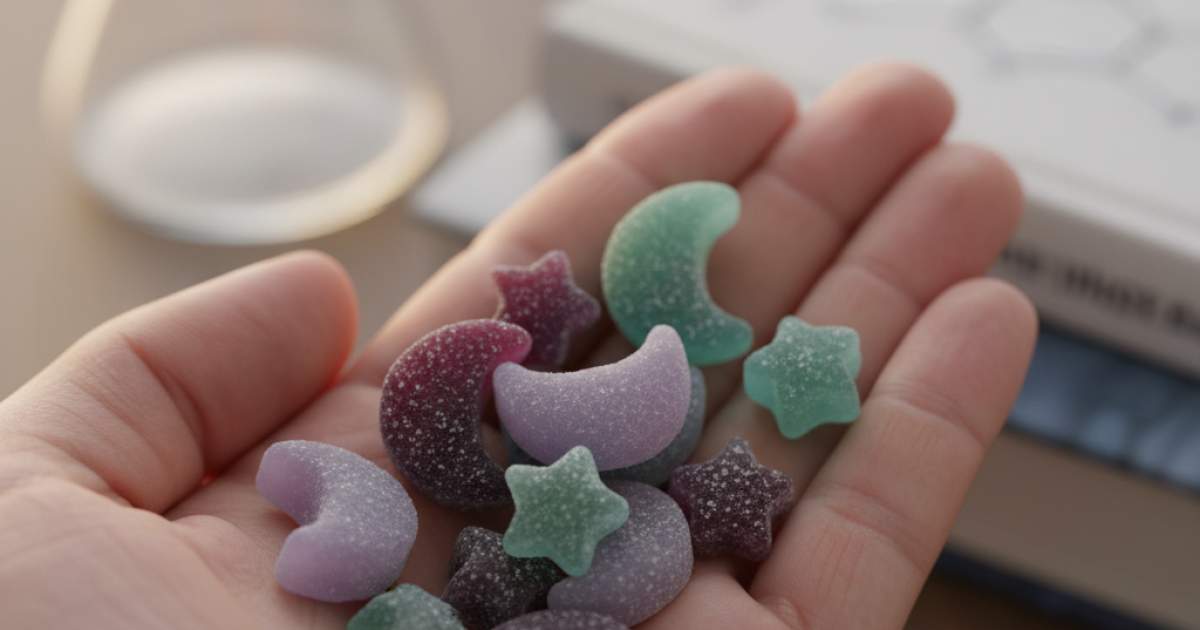
That’s how CBD gummies for sleep exploded in popularity. They look cute, taste like candy, and every ad makes them sound like a miracle. I was skeptical at first, then desperate enough to experiment, and then nerdy enough to dive deep into the science on CBD sleep gummies, anxiety, and the endocannabinoid system.
In this post, I’ll walk you through what I’ve learned the hard way—what the research actually says, what’s marketing fluff, how CBD for sleep and anxiety really feels in real life, and the mistakes I made with dosage and timing. My goal is simple: by the end, you’ll know whether CBD gummies for sleep are worth trying for you, and how to do it safely without wasting a bunch of money or wrecking your next morning.
What Are CBD Gummies for Sleep, Exactly?
CBD vs THC: Why You (Probably) Won’t Feel High
CBD, short for cannabidiol, is one of many compounds found in the cannabis plant. Unlike THC, it does not make you feel high or stoned when it’s properly dosed and labeled, especially if you’re using hemp-derived CBD with very low THC.
THC binds strongly to certain receptors in the brain and changes perception; CBD is more like the quiet kid in class who still influences the whole group project. With quality CBD sleep gummies, the goal isn’t to knock you out, it’s more to take the edge off so your body can do what it’s supposed to do at night.
What Makes a Gummy a “Sleep” Gummy?
Here’s the thing: not every gummy with CBD is a sleep gummy. A sleep formula usually means CBD plus something else that supports relaxation, like melatonin, chamomile, L‑theanine, valerian root, or even magnesium.
One of my first mistakes was grabbing a random jar that said “hemp gummies for sleep” without reading the label. Turned out it had almost no actual CBD, just hemp seed oil, which is basically like taking a cooking oil capsule for sleep. Read the label. Every time.
Full-Spectrum vs Broad-Spectrum vs Isolate
Most CBD sleep gummies fall into one of three buckets: full spectrum CBD gummies for sleep (CBD + tiny legal amounts of THC + other cannabinoids), broad spectrum CBD gummies (no detectable THC, but still other plant compounds), and CBD isolate sleep gummies (pure CBD, no other cannabinoids).
From my experience and what I’ve seen with clients, full-spectrum can feel a bit stronger and “heavier” for sleep, while broad-spectrum and isolate are popular if you’re tested for work or are very THC-sensitive. None of them are automatically better; it’s more about your comfort level and how your body reacts.
How CBD Gummies Are Absorbed (And How Long They Take)
CBD gummies are eaten, so they go through your digestive system and liver before hitting your bloodstream. That means they take longer to kick in than vaping or oils under the tongue.
Most people feel CBD gummies for sleep start working somewhere between 30–90 minutes. The first time I tried them, I made the rookie mistake of taking more after 20 minutes because “nothing was happening.” Then it all hit at once and I woke up the next day in a fog. Don’t do that.
Why People Choose Gummies Over Oils or Capsules
Gummies are just easier. You know exactly how much CBD per gummy, they’re portable, they taste better than most oils, and there’s no need to measure drops or swallow big capsules.
For sleep in particular, the ritual of chewing a gummy about an hour before bed can become part of a wind-down routine. It feels less like “taking medicine” and more like, okay, I’m shifting into nighttime mode now.
The Legal Basics (In Simple Terms)
In the U.S., hemp-derived CBD (with less than 0.3% THC) is legal at the federal level, but states still love to make their own extra rules. Some places are stricter, some are very laid back.
If you’re traveling or ordering online, it’s smart to quickly check local laws and stick to hemp-derived, third-party tested products. And don’t assume the word “hemp” automatically means CBD; it doesn’t.
How CBD Affects the Body: The Endocannabinoid System Explained Simply
Meet Your Endocannabinoid System (ECS)
Your body has this built-in network called the endocannabinoid system, or ECS. Think of it as a master balancing system that helps regulate sleep, mood, pain, appetite, and stress.
It uses its own “cannabinoids” that your body makes, plus receptors (CB1, CB2) spread through your brain, nerves, and immune cells. When this system is off, you can feel anxious, wired-but-tired, or just not quite right.
How CBD Interacts With the ECS
THC plugs directly into CB1 receptors like a full-on key in a lock. CBD is more subtle; it doesn’t bind strongly but it influences how your body uses its own cannabinoids.
It also seems to affect other systems, like serotonin (mood) and GABA (calming), which is probably why CBD for sleep and anxiety can feel like someone turned down the volume on your nervous system, rather than hitting an off switch.
CBD, Serotonin, and GABA: The Chill Chemicals
Some research suggests CBD can interact with serotonin receptors, which are big players in mood and anxiety. Lower anxiety often equals easier sleep onset, even if CBD isn’t directly sedating you.
GABA is like the brain’s brake pedal; many sleeping pills and anti-anxiety drugs work on GABA. CBD seems to support this calming system in a gentler way, which is why some people describe it as feeling “more even” or “less jumpy” rather than drugged.
Why CBD Isn’t a Classic Sleeping Pill
Here’s a key point that took me a while to really get: CBD is not like taking a heavy sleeping pill that forces your brain to shut down. It’s more like oiling the hinges of the systems that already control your sleep-wake cycle.
Because of that, CBD for deep sleep or staying asleep often works gradually. Some people feel a difference the first night, but for others it’s after a week or two of more consistent, smoother nights.
How CBD Might Support Your Sleep-Wake Cycle
Your circadian rhythm (sleep-wake cycle) is influenced by light, hormones, and the ECS. Early research hints that CBD and the endocannabinoid system might help nudge this rhythm toward more stability.
I noticed this most when I kept a simple sleep diary: the nights weren’t perfectly dreamy, but the wild ups and downs got less dramatic. Less 3 a.m. staring at the ceiling, more “oh wow, I actually slept most of the night.”
What Does the Research Say? Evidence on CBD and Sleep
What Studies Suggest About CBD and Sleep Quality
We don’t have giant perfect studies yet, but there are enough small human and animal studies to say this: CBD may help some people sleep better, especially when anxiety or pain is part of the problem. Most research shows improvements in sleep quality, not just feeling zonked out.
In some studies, people using CBD reported falling asleep faster and waking less often. But the doses, forms, and conditions vary a lot, which makes it messy to give one simple answer like “take X mg and you’ll sleep like a rock.”
CBD for Insomnia, REM Issues, and Daytime Sleepiness
There’s early evidence that CBD might help with insomnia by reducing anxiety and improving overall sleep quality. There are also small studies on CBD for REM sleep behavior disorder (where people act out their dreams) with some promising results.
Interestingly, low doses of CBD in the daytime can sometimes make people feel more alert, while higher doses closer to bedtime may be more sedating. That’s one reason “how much CBD for sleep” is such a confusing question—it’s not linear like people wish it was.
CBD for Anxiety-Related Sleep Problems
One thing science is much clearer on: CBD has potential for reducing certain types of anxiety. Several studies show lower anxiety scores after CBD, which lines up with what I see over and over—people say, “I don’t feel drugged, just less panicky and more able to drift off.”
If your insomnia is basically your brain replaying every dumb thing you’ve said since middle school, CBD for nighttime anxiety might help you break that spiral enough to fall asleep.
Limits of the Current CBD Sleep Research
Now the honest part: most CBD sleep research has small sample sizes, mixed doses, and sometimes questionable product quality. A lot of it isn’t the gold-standard long-term stuff we’d love to have.
So the fair summary is: CBD gummies for sleep can help some people, but it’s not a magic cure-all. You’ll still need good sleep habits and, for some issues, medical support.
CBD Gummies for Sleep and Anxiety: Calming the Racing Mind
How Anxiety and Stress Hijack Your Sleep
Most people I talk to don’t just say, “I can’t sleep.” They say, “I can’t turn my brain off.” Stress, worry about work or money, doom-scrolling—our brains are on high alert when we should be winding down.
That’s where CBD for stress and sleep tends to shine. It won’t fix your boss or your bills, but it can lower the threat response enough that your nervous system stops acting like you’re being chased by a bear at midnight.
My First Night Using CBD for Racing Thoughts
I still remember the first night I took a low-dose CBD gummy about an hour before bed. Normally my pattern was: get in bed, scroll, put the phone down, then suddenly remember every task I forgot and every bad decision I ever made.
That night, the thoughts were still there, but they felt quieter and farther away. I didn’t conk out instantly, but I noticed I didn’t latch onto every worry and spiral—more like, “yeah, that’s annoying, I’ll deal with it tomorrow,” and then I actually did fall asleep.
“Relaxed, Not Knocked Out” – What Many Users Report
Most people who like CBD sleep gummies describe them as making them feel more relaxed, not like they took a heavy sleeping pill. It’s more of a soft landing than a crash landing.
For some, that’s perfect. For others who want a guaranteed knockout, it can be disappointing. But personally, I prefer waking up without feeling like I’ve been hit by a truck.
Where CBD Helps, and Where Therapy Still Matters
CBD can help manage symptoms—racing thoughts, tension, that wired feeling. But if your insomnia is tied to deep grief, trauma, chronic anxiety, or depression, CBD is not a replacement for therapy or medical care.
The best results I’ve seen are when people use CBD for sleep and anxiety as one tool, while also working on coping skills, maybe CBT‑I (cognitive behavioral therapy for insomnia), and actually dealing with the root causes.
CBD Gummies vs Traditional Sleep Aids (Melatonin, Pills, and More)
CBD vs Melatonin Gummies for Sleep
Melatonin is a hormone your brain naturally makes to signal “hey, it’s dark, time to wind down.” Melatonin gummies basically give you a timed boost of that signal, which can help with jet lag or shifting your schedule, but high doses can leave some people groggy or give weird dreams.
CBD works differently; it doesn’t directly control your sleep-wake clock, it more supports the systems that influence anxiety, pain, and overall balance. I’ve found CBD vs melatonin for sleep isn’t an either-or for many folks—sometimes a low dose of both works nicely, but too much melatonin plus CBD can feel like overkill.
CBD vs OTC and Prescription Sleeping Pills
Over-the-counter antihistamines (like diphenhydramine) will usually knock you out, but they can cause serious next-day brain fog and tolerance builds quickly. Prescription “Z-drugs” or benzodiazepines can help in short bursts but come with higher risks of dependence, memory issues, and withdrawal.
CBD is generally considered a non habit forming sleep aid, but that doesn’t mean it’s perfect or totally risk-free. For many people, it’s a gentler option to try before jumping to stronger drugs, especially if their doctor is on board.
Combining CBD and Melatonin: When It Makes Sense
CBD melatonin gummies are everywhere now. They can make sense if you struggle with both anxiety and timing—like your body doesn’t “get the memo” that it’s bedtime and your mind is racing.
Just be careful with doses; I once stacked a melatonin-heavy gummy with extra CBD and basically slept through my alarm and half my morning. Lesson learned: more isn’t always better, especially when it comes to sleep stuff.
How to Choose High-Quality CBD Gummies for Sleep
Why Quality Matters So Much With CBD
CBD is one of those areas where product quality can make or break your experience. I’ve seen lab tests where cheap gummies had way less CBD than advertised—or way more THC than they were supposed to.
So if you’re asking “do CBD gummies really work for sleep,” the first follow-up question is: what are you actually taking? Because a mislabeled gummy is basically a coin flip.
What to Look for on the Label
On any CBD sleep gummy label, check for: clear CBD mg per gummy, whether it’s full-spectrum, broad-spectrum, or isolate, and what other sleep ingredients are added (melatonin, chamomile, L‑theanine, valerian root, etc.).
Also pay attention to sugar content, artificial colors, and whether you prefer organic CBD gummies for sleep or vegan CBD sleep gummies. Your gut and teeth are part of your health too.
Third-Party Testing and COAs: Non-Negotiable
Reputable brands have a Certificate of Analysis (COA) from a third-party lab, usually linked via QR code. In that report, you’ll want to see: actual CBD potency, THC levels, and tests for heavy metals, pesticides, and residual solvents.
If there’s no COA or it looks sketchy or incomplete, that’s a huge red flag. I personally just close the tab and move on.
Red Flags and Brand Reputation
Big warning signs: no lab test, wild medical claims like “cures insomnia” or “replaces all meds,” super vague ingredient lists, or prices that seem too good to be true. CBD isn’t cheap to produce well.
I like to read reviews, check how transparent the brand is about sourcing, and see if they explain their formulas clearly. If they’re hiding details, that usually means there’s a reason.
How Much CBD to Take for Sleep and When to Take It
Why There’s No One-Size-Fits-All CBD Dosage for Sleep
CBD dosage for sleep is super individual. I’ve seen tiny people need higher doses and big people do great on low-dose CBD gummies—it’s not just about body weight.
Your metabolism, sensitivity to supplements, how bad your insomnia is, and what other meds you’re on all affect how much CBD for sleep you might need.
The “Start Low and Go Slow” Method
The rule I live by: start low and go slow. For most adults, that looks like starting at 5–10 mg CBD about 60 minutes before bed and staying there for a few nights.
If nothing changes at all, slowly increase by 5–10 mg at a time, giving each new dose at least 3–4 nights before making a judgment. Jumping from 10 mg to 50 mg in one night is how you end up with next day drowsiness from CBD and a lot of regret.
Timing: When to Take CBD Gummies for Sleep
Because of digestion, the best time to take CBD gummies for sleep is usually 30–90 minutes before bed. I personally aim for around an hour, after I’m done with screens.
If you take them too early, you might feel sleepy while you’re still doing stuff; too late, and you’re lying in bed wondering when they’ll kick in. It takes a bit of experimenting.
Use a Simple Sleep Diary
One surprisingly helpful trick: keep a super basic sleep diary for 1–2 weeks. Just jot down when you took CBD, how much, how long it took to fall asleep, how many times you woke, and how you felt in the morning.
Patterns show up fast. I realized I slept fine on low doses but got groggy on higher ones—something I would’ve totally missed without writing it down.
Potential Benefits of CBD Gummies for Sleep
Common Improvements People Report
People who like CBD sleep gummies often say things like: “I fall asleep faster,” “I don’t wake up as much,” or “I just feel calmer at bedtime.” It’s more about smoothing out the night than knocking you unconscious.
For others, the big win is less pain or discomfort getting in the way, especially with CBD for chronic pain and sleep. If your back or joints wake you up, even a small reduction in pain can translate into more actual rest.
CBD and the Sleep-Wake Cycle
Over time, some folks notice CBD for sleep quality helps their sleep-wake cycle feel more regular. Not perfect, but less chaotic.
This lines up with the idea that CBD supports the ECS and may help stabilize how your brain handles stress, alertness, and wind-down signals across the day.
Realistic Expectations: What “Better” Might Look Like
I always tell people: expect “better,” not “perfect.” Maybe you go from lying awake 90 minutes to 20–30, or from waking 5 times to 2–3.
On paper that doesn’t sound dramatic, but in real life it can be the difference between dragging through your day and actually feeling like a human again.
Side Effects, Risks, and Who Should Avoid CBD Sleep Gummies
Common Side Effects to Watch For
Most people tolerate CBD pretty well, but side effects can happen. The usual suspects are dry mouth, digestive upset, changes in appetite, and feeling groggy or tired the next day.
When I overshot my dose early on, I felt heavy and slow mentally the next morning, like I had a hangover without the fun before it. That’s why gentle tweaking of the dose matters.
CBD Interactions With Medications
CBD is processed by the liver and can interact with other meds that use the same enzyme systems. That includes some blood thinners, seizure meds, antidepressants, and others.
If you’re on prescription meds, especially anything critical, talk with your doctor or pharmacist before adding CBD for sleep. This part is not optional, even if the gummies look harmless.
Who Should Be Extra Cautious or Avoid CBD
People who are pregnant, breastfeeding, or have serious liver disease should generally avoid CBD or only use it under close medical supervision. Same with anyone with a complex medical history.
Also, if you have a history of substance use issues, even though CBD is not intoxicating, it’s still smart to loop in a professional and keep an eye on how you’re using any sleep aid.
How to Safely Test a New CBD Product
When you try a new CBD gummy, I recommend testing it on a weekend or a night when it’s okay if your sleep is a little weird. Don’t mix it with alcohol or other sedatives the first few tries.
If you get chest pain, severe dizziness, intense anxiety, or anything that feels seriously off, stop using it and talk to a doctor right away. Better overcautious than sorry.
How to Use CBD Gummies as Part of a Healthy Sleep Routine
CBD as One Tool, Not the Whole Toolbox
Even as someone who likes CBD for occasional insomnia, I’ll say this bluntly: if your sleep hygiene is a mess, no gummy is going to save you. CBD works best as part of a broader sleep toolkit, not as the only fix.
Think of it as a helper that makes your good habits more effective, not a magic eraser for bad ones.
Basic Sleep Hygiene Habits That Matter More Than Any Gummy
The boring stuff works: regular bedtime and wake time (even on weekends), limiting caffeine after mid-afternoon, and avoiding heavy meals too close to bedtime. Also, screens and blue light are total sleep thieves.
Making your bedroom dark, cool, and quiet can be life-changing. I underestimated the power of blackout curtains for way too long.
Building a Simple CBD Sleep Routine
Here’s a simple example: about 60 minutes before bed, take your CBD gummy, dim the lights, and put your phone away. Spend 10–15 minutes stretching, reading something light, or journaling out your worries for tomorrow.
When it’s actually bedtime, your brain has had a chance to shift gears, and the CBD is starting to kick in. Over time, your body starts to associate that routine with sleep, which is honestly just as important as the gummy itself.
When to Get Extra Help
If you’ve tried CBD, cleaned up your sleep habits, and you’re still staring at the ceiling most nights, it might be time to talk to a sleep specialist or therapist. Things like sleep apnea, restless legs, and chronic insomnia are real medical issues.
CBD can sometimes help with symptoms, but it won’t fix a blocked airway or deeply wired insomnia patterns by itself.
Frequently Asked Questions About CBD Gummies for Sleep
Will CBD Gummies Make Me Feel High?
No, not if they’re true hemp-derived CBD with legal THC limits. Full spectrum CBD gummies for sleep can have tiny amounts of THC, but not enough to make most people feel high.
If you’re very sensitive or tested at work, consider THC free CBD sleep gummies or broad spectrum CBD gummies instead.
Can I Take CBD Sleep Gummies Every Night?
Most adults can take CBD every night without obvious problems, and many do. But long term use of CBD for sleep hasn’t been studied as deeply as we’d like.
I like to check in with my body regularly: is this still helping, or am I just taking it out of habit? And I recommend talking to a healthcare professional if nightly use becomes your norm.
How Long Do CBD Gummies Take to Work?
Most people feel something between 30–90 minutes after taking CBD gummies. Heavier meals can slow things down a bit.
If you don’t feel anything at all after several nights, it might be the dosage, the product quality, or just how your body processes CBD.
Can I Travel With CBD Gummies?
In many places, you can travel with hemp-derived CBD gummies for sleep, but rules vary a lot by state and country. Always check local laws before you fly or cross borders.
Also, keep them in original packaging so it’s clear what they are if anyone asks.
Are CBD Sleep Gummies Safe for Older Adults?
CBD gummies for seniors can be helpful for pain, anxiety, and sleep, but older adults are more likely to be on multiple medications. That means a higher risk of CBD interactions with medications.
If you’re older or helping a parent, get a healthcare provider to review all meds and supplements before adding CBD.
What’s the Difference Between Hemp Gummies and CBD Gummies?
Hemp gummies might just contain hemp seed oil, which has healthy fats but no real CBD. CBD gummies list actual milligrams of CBD on the label.
If the label doesn’t say CBD mg per gummy, assume it’s not a true CBD supplement.
Is It Okay to Drive the Morning After Taking CBD for Sleep?
Most people are fine to drive the next morning after a sensible bedtime dose of CBD, especially low or moderate doses. But if you wake up groggy or mentally slow, don’t push it.
That’s your signal that your dose might be too high or your timing needs adjusting.
Conclusion
After digging into the science and making more than a few mistakes on my own, here’s where I’ve landed: CBD gummies for sleep can absolutely help some people, especially when stress, anxiety, or mild pain are messing with your nights. They’re not magic, and they won’t fix bad sleep habits or serious medical conditions, but they can be a gentle, over the counter CBD sleep aid in a bigger plan.
If you decide to experiment, go in with a plan: choose third party tested CBD gummies from a reputable brand, start low and go slow on the dose, and give it at least a week or two while tracking your sleep. If you’re on medications or have health issues, loop in your doctor or pharmacist first.
Better sleep almost never comes from one single change. But layering small, smart steps—a consistent routine, better sleep hygiene, and maybe a well-chosen CBD sleep gummy—can finally tip the scales in your favor. If your nights have been restless, it might be worth exploring CBD with curiosity, caution, and your long-term health front and center.