
Introduction
“Ever feel like your pre-workout just isn’t hitting the same anymore?”
Yeah, I’ve been there too. When I first started experimenting with L-citrulline, I had zero clue what the right dose was — I just saw “pump supplement” on the label and figured more must be better. Spoiler: it’s not.
Here’s the truth — L-citrulline dosage isn’t one-size-fits-all. It depends on your body weight, form (pure or malate), and how your body metabolizes it. Once I learned to calculate it in mg per kg, everything changed. My workouts felt cleaner, my endurance skyrocketed, and the muscle pumps? Unreal.
In this 2025 guide, I’ll break down how much L-citrulline you actually need, why timing and form matter, and how to fine-tune your dosage for peak results — without wasting money or wrecking your stomach. Let’s get into the science (and a bit of trial and error from personal experience).
What Is L-Citrulline and How Does It Work?
L-citrulline is a non-essential amino acid — meaning your body can produce it naturally. But when it comes to training, supplementing it can be a total game-changer.
What it does is simple but powerful: it helps your body produce nitric oxide (NO), a molecule that widens your blood vessels and improves circulation. That means more oxygen, more nutrients, and more endurance during your workout.
Now, if you’ve ever tried arginine (another nitric oxide booster), you might think it’s the same thing. But here’s the kicker — arginine gets broken down in your gut before much of it even hits your bloodstream. Citrulline, on the other hand, bypasses that problem, converting to arginine after absorption, making it a more efficient NO booster.
I still remember the first time I switched from arginine to citrulline. Within about a week, I noticed a deeper “pump” — my muscles stayed fuller for longer post-workout, and recovery time dropped. That’s when I realized: blood flow isn’t just about aesthetics — it’s performance.
Better circulation equals less fatigue, more reps, and faster recovery. No wonder every modern pre-workout in 2025 includes it front and center.
The Science Behind L-Citrulline Dosage (mg per kg)
Here’s where things get a bit more technical — but stick with me, because this is where you’ll understand why dosage precision makes all the difference.
Most research suggests that the effective range for performance enhancement is around 0.08 to 0.1 grams (80–100 mg) of L-citrulline per kilogram of body weight. That means if you weigh 70 kg (about 155 lbs), you’d aim for roughly 5.6–7 grams of pure L-citrulline.
If you’re using citrulline malate (a combo of citrulline and malic acid), things get trickier. Since malate makes up part of the weight, an 8–10 gram dose of citrulline malate (2:1 ratio) gives you the same 6–7 grams of actual L-citrulline.
Let’s put that in perspective:
- 60 kg athlete: 4.8–6 g L-citrulline
- 80 kg athlete: 6.4–8 g L-citrulline
- 100 kg athlete: 8–10 g L-citrulline
What’s fascinating is that studies show diminishing returns above 10 grams — meaning taking 12 g or 15 g won’t necessarily give you more pump or endurance. I’ve tested higher doses myself (yeah, I was that guy), and honestly, it just made me feel bloated.
One key study found 6–8 g of pure L-citrulline or 8–10 g of citrulline malate taken 30–45 minutes before training consistently improved repetitions to failure and time to exhaustion. Beyond that? No measurable benefits.
So yeah, science agrees: more isn’t better — smarter is.
Calculating Your Ideal L-Citrulline Dosage by Body Weight
Here’s where we personalize it.
The general formula looks like this:
L-citrulline dosage (g) = Body weight (kg) × 0.08 to 0.1
That’s your sweet spot — enough to raise nitric oxide levels, but not so much that your body struggles to absorb it efficiently.
Example 1:
If you weigh 70 kg (155 lbs) → 70 × 0.09 = 6.3 g (perfect middle range).
Example 2:
If you weigh 90 kg (198 lbs) → 90 × 0.1 = 9 g.
Example 3:
If you weigh 55 kg (121 lbs) → 55 × 0.08 = 4.4 g.
And yes, these numbers apply to pure L-citrulline. If you’re using citrulline malate (2:1), multiply your final dose by 1.5 to compensate for the added malate.
Male vs. Female Athletes
Men and women metabolize citrulline similarly, but differences in muscle mass and blood volume mean men may benefit slightly from the higher end of the range (0.1 g/kg), while women often find 0.08 g/kg sufficient.
Training Intensity and Frequency
If you’re training 5–6 days per week, consistent use at your ideal mg/kg level helps maintain plasma arginine levels. For occasional lifters, taking it only on training days works just fine.
Think of it like tuning your pre-workout to your engine size — get it right, and your body runs smoother, stronger, and longer.
L-Citrulline vs. Citrulline Malate – Which Is Better for Pre-Workout?
Ah, the classic supplement aisle debate.
Pure L-citrulline is the straight amino acid — no extras, just raw nitric oxide potential. Citrulline malate, on the other hand, combines citrulline with malic acid, which plays a role in energy production (the Krebs cycle, for my fellow science nerds).
So which one’s better? Depends on your goal.
If you’re training for endurance or CrossFit-style workouts, citrulline malate (2:1 ratio) can give you that extra energy edge thanks to malate’s role in ATP generation. If you’re chasing pure pump and vascularity, go for pure L-citrulline — it absorbs faster and delivers a more direct nitric oxide effect.
Personally, I cycled through both for a month each. When using L-citrulline, my vascularity and muscle fullness were insane. But with citrulline malate, I noticed less mid-workout fatigue during long lifting sessions.
The 2:1 ratio on citrulline malate means 2 parts citrulline to 1 part malate — so 8 grams of citrulline malate gives about 5.3 g of actual L-citrulline. Always check the label — some brands use a 1:1 ratio (and don’t tell you).
Bottom line:
- Pure L-citrulline = better pumps, faster absorption.
- Citrulline malate = better endurance, smoother energy curve.
You can’t go wrong either way, but I lean toward pure citrulline for those heavy push days where I just want to feel superhuman.
When and How to Take L-Citrulline Pre-Workout
Timing is everything.
The sweet spot is 30–45 minutes before your workout. That’s how long it takes for plasma arginine levels to peak. Take it too close to training, and you’ll miss the full nitric oxide wave; too early, and it starts to taper off mid-session.
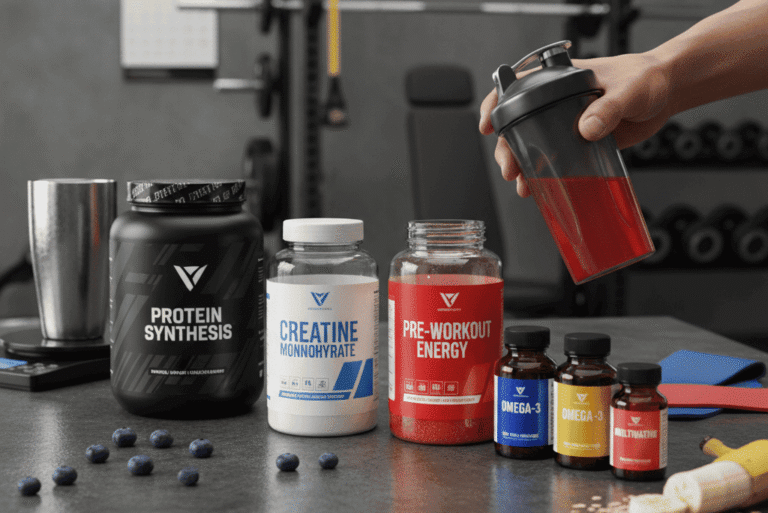
I usually mix mine in my pre-workout shake — 6–8 grams of pure L-citrulline, 2–3 grams of beta-alanine, 5 grams of creatine, and a small hit of caffeine (100–200 mg). That combo hits every angle: pump, endurance, strength, and focus.
A few mistakes I’ve made (so you don’t have to):
- Taking it too late — I once downed it right before warming up. Pump barely showed up until I was done.
- Underdosing — if you’re under 4 grams, you’re wasting your scoop.
- Skipping water — hydration amplifies nitric oxide effects.
A quick tip: stay hydrated. L-citrulline increases blood flow, so if you’re dehydrated, it can make you feel dizzy or sluggish. I like to pair it with at least 500 ml (17 oz) of water pre-training.
Consistency is also key. You’ll notice cumulative benefits over 1–2 weeks — your endurance improves, recovery feels faster, and that “pump” sticks around longer post-workout.
Side Effects and Safety Considerations
The good news? L-citrulline is one of the safest pre-workout ingredients out there.
But — like anything — too much of a good thing can backfire.
If you push past 10–12 grams daily, you might experience:
- Gastrointestinal discomfort (that gassy, bloated feeling)
- Low blood pressure or lightheadedness
- Nausea, especially on an empty stomach
I once tried 12 grams thinking it’d give me a “mega pump.” Instead, I ended up sitting between sets feeling like I swallowed a balloon. Lesson learned.
According to studies, upper safety limits hover around 15 grams per day, but you really don’t need that much. Stick to the 6–8 g pure citrulline (or 8–10 g malate) range and you’ll be golden.
If you’re on blood pressure medication, nitrates, or erectile dysfunction meds, talk to your doctor before supplementing — L-citrulline also boosts nitric oxide and could enhance vasodilation, which may lower BP further.
For most healthy adults, though, it’s extremely well-tolerated — even with daily use.
Real Results – What to Expect After Taking the Right Dosage
Here’s the fun part — what actually happens when you get the dosage right.
Within the first week, you’ll probably notice:
- Improved pumps — muscles look fuller and stay that way longer
- Better endurance — you can squeeze out extra reps
- Faster recovery — less soreness between sessions
After 2–3 weeks, things start to level up. Your vascularity increases, your muscles feel more “alive”, and you might find that high-rep sets don’t gas you as easily.
When I nailed my dose at 6.5 grams (I’m about 72 kg), my workout performance changed noticeably. My rest times shortened, and I started hitting PRs without that usual mid-set fatigue.
To track your progress, try noting your reps, rest time, and pump quality each week. I like to rate my “pump” on a 1–10 scale — it sounds silly, but it’s actually a good self-measurement tool.
And don’t underestimate the role of diet and hydration. A diet rich in beetroot, spinach, and watermelon (all natural nitric oxide boosters) amplifies the effects of L-citrulline. Combine that with enough water, and you’ll feel like your muscles are literally breathing.
Conclusion
If there’s one thing I’ve learned from years of trial and error, it’s this — L-citrulline dosage isn’t one-size-fits-all.
Whether you’re a weekend lifter or a competitive athlete, tailoring your pre-workout dose to your body weight (mg per kg) is the real secret to unlocking its benefits.
Start small, pay attention to how your body reacts, and adjust gradually. Don’t just chase the “pump” — use L-citrulline strategically to improve blood flow, recovery, and endurance.
At the end of the day, the magic isn’t in the supplement itself — it’s in how intelligently you use it.
So grab that shaker, mix your formula right, and crush your next session like you mean it. You’ve got the science, now make it work for you. 💪
Also read: The Ultimate Workout Supplement Stack for Beginners
✅ Key Takeaway:
- Ideal dosage: 80–100 mg/kg bodyweight
- Timing: 30–45 minutes pre-workout
- Form: Pure L-citrulline for pumps, citrulline malate for endurance
- Safe range: 6–8 g (pure) or 8–10 g (malate)
FAQ
Most people benefit from 6–8 grams of pure L-citrulline or 8–10 grams of citrulline malate (2:1 ratio) taken about 30–45 minutes before training. For precision, aim for 80–100 mg of L-citrulline per kilogram of body weight for optimal blood flow and endurance support.
L-citrulline is the pure amino acid that boosts nitric oxide directly, leading to stronger muscle pumps and better circulation. Citrulline malate, meanwhile, combines citrulline with malic acid — improving energy production and endurance. If you want more “pump,” go with pure L-citrulline; if you train for long sessions, citrulline malate may work better.
Yes! L-citrulline is safe for daily use and has been shown to maintain healthy blood flow and recovery when taken consistently. Many athletes take it even on rest days to keep nitric oxide levels elevated. Just stick to the recommended range of 6–8 g per day to avoid GI discomfort.
It’s best to take L-citrulline on an empty stomach or between meals for faster absorption. Food can slightly delay its uptake, so if you’re using it pre-workout, aim for 30–45 minutes before training with water or your pre-workout drink.
Absolutely — in fact, it works even better that way. L-citrulline stacks well with beta-alanine, creatine, and caffeine for enhanced pump, endurance, and focus. Just avoid stacking multiple nitric oxide boosters (like beetroot extract or arginine) in high doses to prevent stomach upset.
Taking more than 10–12 grams may cause bloating, nausea, or low blood pressure in some people. It doesn’t increase results beyond the optimal range, so there’s no need to go overboard. More isn’t better — consistency is.
You’ll feel the effects within 30–45 minutes of taking it. For best results, use it daily for at least 1–2 weeks — it builds up in your system, improving blood flow and workout endurance over time.
Yes, L-citrulline is safe and effective for women. Female athletes often prefer slightly lower doses (around 0.08 g/kg) due to lower muscle mass, but the benefits — improved endurance, recovery, and pumps — are the same.
Use this formula:
Body weight (kg) × 0.08–0.1 = L-citrulline dose in grams
Example: If you weigh 70 kg, your ideal range is 5.6–7 g of L-citrulline (or 8–10 g citrulline malate).
Yes, most L-citrulline supplements are vegan-friendly and plant-derived, often sourced from fermented watermelon or corn. Always check the label to ensure no animal-based additives are used.