Introduction
Did you know that nearly one in three teenagers takes some form of dietary supplement? That number honestly surprised me the first time I saw it. And it keeps climbing every year.
As parents and caregivers, we want to support teen growth, brain development, sports performance, and immunity — but not at the cost of safety. I’ve stood in the supplement aisle myself, staring at shelves packed with teen vitamins and flashy “immune boosting supplements for teens,” wondering what’s actually necessary.
The truth is, supplements for teens can be helpful… but only when used correctly. Teenagers are still growing. Hormones are shifting. Bones are developing rapidly. And what works for adults doesn’t always work for adolescents.
In this teen wellness guide, I’m breaking down what I’ve learned over the years — what’s generally safe, what’s risky, when supplements are truly needed, and how to make smart choices. Because teen health isn’t about hype. It’s about careful care.
Do Teens Really Need Supplements?
This is always the first question I get. Are supplements safe for teens? And more importantly… are they even necessary?
Adolescent Growth and Increased Nutrient Demands
Puberty is no joke. Growth spurts happen fast. Bones lengthen. Muscle mass increases. Brain development is still ongoing well into the late teen years.
Nutritional needs during puberty are higher than at almost any other time in life, except infancy. That means teen nutrition matters deeply — protein intake for teenagers, calcium for bone health for teens, iron for oxygen transport, and so on.
But increased need doesn’t automatically mean increased supplementation.
When a Balanced Diet Is Enough
I’ve seen many teens thrive on a healthy diet for teens that includes:
* Lean proteins
* Whole grains
* Fruits and vegetables
* Dairy or fortified alternatives
* Healthy fats
If a teen diet plan is balanced and consistent, most nutrients can be met through food alone. In fact, adolescent dietary recommendations strongly emphasize food first.
Supplements are meant to supplement. Not replace.
Common Teenage Nutrient Deficiencies
That said, teenage nutrient deficiencies do happen. The most common ones I’ve encountered:
* Vitamin D for teens (especially in low-sun regions)
* Iron supplements for teen girls (due to menstruation)
* Calcium for teenagers who avoid dairy
* B12 for teens on vegetarian or vegan diets
Teen anemia prevention is a big one. I’ve worked with families where fatigue and poor concentration turned out to be simple iron deficiency.
Signs a Teen May Need Supplementation
Some red flags I’ve seen over the years:
* Chronic fatigue
* Pale skin
* Frequent illness
* Poor concentration
* Delayed growth
* Stress fractures
But here’s the key — guesswork isn’t enough. Pediatric supplement advice should always come from a healthcare professional.
Risks of Unnecessary Supplementation
More isn’t better. I’ve had parents proudly tell me their teen takes a multivitamin for teenagers, plus magnesium for teens, plus zinc for teens, plus immune gummies.
And I gently ask… do they need all of that?
Excessive teen supplement dosage can cause supplement side effects in teens, including nausea, headaches, and even toxicity in extreme cases. Fat-soluble vitamins like A and D especially can build up.
Sometimes the healthiest move is restraint.
Essential Vitamins and Minerals That Are Generally Safe for Teens
Now let’s talk about safe vitamins for teenagers — the ones that are commonly recommended when a true need exists.
Vitamin D for Teens
Vitamin D for teens supports bone health and immune support. It also plays a role in mood and teen mental health nutrition.
Many adolescents are low, especially those who spend most of their time indoors. Blood testing is the best way to determine proper dosage.
Calcium for Teenagers
Bone density builds rapidly during adolescence. Calcium for teenagers is crucial for healthy growth for teenagers.
If dairy intake is low, supplementation may be considered. But food sources should come first whenever possible.
Iron Supplements for Teen Girls
Iron supplements for teen girls are sometimes necessary, especially with heavy menstrual cycles.
Teen anemia prevention isn’t something to ignore. Symptoms like dizziness and exhaustion are common when iron is low.
But iron should never be taken without medical guidance. Too much can be dangerous.
Vitamin B12 for Energy and Brain Development
B12 for teens supports teen brain development and red blood cell formation.
Vegetarian and vegan teens are at higher risk for deficiency. In those cases, B12 supplementation is often simple and effective.
Omega-3 for Teenagers
Omega-3 for teenagers supports cognitive health and teen immune support.
I’ve personally seen improvement in focus when omega-3 intake improved. But again, quality matters.
Look for third party tested supplements to avoid contamination.
Magnesium and Zinc
Magnesium for teens can help with muscle relaxation and sleep. Zinc for teens supports immune function and wound healing.
Both are usually safe when taken within adolescent dietary guidelines.
Safe Dosage Guidelines
Always compare:
* RDA for teenagers
* Teen supplement dosage
* Daily Value (DV)
These are not interchangeable.
Following recommended vitamins for teens based on age and gender is critical. Teenage bodies are not small adult bodies.
Supplements for Teen Athletes: What’s Beneficial and What’s Risky?
Teen sports nutrition is where things get… complicated.
Increased Nutrient Needs
Nutrition for teen athletes includes higher calorie and protein intake for teenagers.
But most of the time, food does the job.
Protein Powder for Teens
Protein powder for teens can be appropriate when dietary protein is insufficient.
I always suggest calculating daily protein needs first. Many teens already get enough through food.
Too much protein can stress kidneys unnecessarily. Moderation wins.
Electrolytes for Teen Athletes
Teen hydration supplements and electrolytes for teen athletes can help during prolonged activity in heat.
But for typical school sports? Water is often enough.
I’ve seen teens drink sports drinks like soda. That’s not hydration support — that’s sugar overload.
Creatine for Teenagers
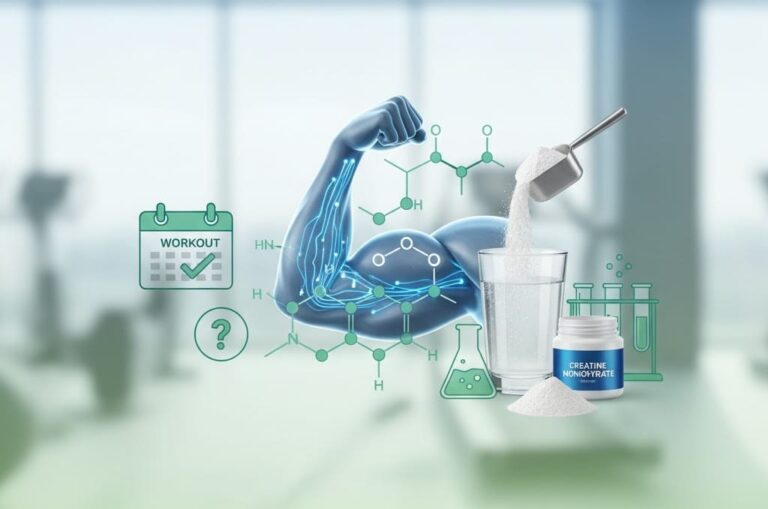
Creatine for teenagers is controversial.
Some studies suggest it may be safe in supervised, older adolescents involved in structured training. But long-term safety data in teens is limited.
I lean conservative here. Until more research exists, I recommend caution.
Pre-Workout Supplements and Stimulants
Pre-workout supplements are a huge concern.
High caffeine content. Stimulants. Unregulated blends.
Caffeine safety for teenagers is very real. Energy drinks for teens often exceed recommended limits.
And I’ve seen heart palpitations happen. It’s not worth it.
Performance-Enhancing Supplements to Avoid
Muscle building supplements for teens that promise rapid gains? Red flag.
Testosterone boosters for teens? Absolutely no.
These can disrupt hormonal balance during critical developmental years.
Regulations Matter
Teen supplement regulations vary. High school and NCAA rules may prohibit certain substances.
NSF certified supplements for sport are safer if anything is used at all.
Supplements Teens Should Avoid
This section tends to make parents uncomfortable. But it needs to be said clearly.
Weight Loss Supplements for Teens
Weight loss supplements for teens are dangerous.
Adolescence is not the time for fat burners. They can disrupt metabolism and mental health.
Muscle Building and Anabolic Products
Muscle building supplements for teens marketed aggressively online often contain hidden ingredients.
Anabolic substances can damage liver function and hormonal systems.
Testosterone Boosters for Teens
Teenage hormones are already fluctuating wildly.
Adding synthetic boosters can cause long-term harm.
Energy Pills and High Caffeine Products
Energy drinks for teens and caffeine pills can lead to anxiety, insomnia, and heart rhythm disturbances.
Caffeine safety for teenagers should not be ignored.
Herbal Supplements for Teens
Herbal supplements for teens often lack strong research.
“Natural” doesn’t mean safe. I’ve learned that the hard way.
Detox and Cleanse Products
Detox teas and cleanse products are especially risky.
Teens do not need detoxification supplements. The liver already does that.
Risks of Online Purchases
Online supplement purchases increase risk of contamination, mislabeling, and excessive dosages.
Third party tested supplements (USP verified vitamins, NSF certified supplements) are much safer options.
Understanding Supplement Labels and Quality Standards
This might be the most important skill of all.
How to Read a Supplement Facts Label
Look for:
* Serving size
* Amount per serving
* Percent Daily Value
Check teen supplement dosage carefully.
DV vs. RDA for Teenagers
Daily Value (DV) is based on general adult intake.
RDA for teenagers varies by age and sex. They are not the same.
Always compare to adolescent dietary recommendations.
Third-Party Testing
Look for:
* USP verified vitamins
* NSF certified supplements
* ConsumerLab testing
These indicate third party tested supplements for purity and accuracy.
Avoid Proprietary Blends
Proprietary blends hide ingredient amounts.
I don’t trust what I can’t measure.
Identifying Excessive Dosages
Mega-doses aren’t better.
If a vitamin provides 500% of DV, ask why.
Supplement risks for adolescents increase with excessive intake.
Natural Alternatives: Supporting Teen Health Through Diet First
This is my favorite part.
Because honestly? Real food works.
Whole Foods and Balanced Meals
A healthy diet for teens supports teen immune support, teen brain development, and healthy growth for teenagers better than pills ever could.
Colorful plates matter.
Protein-Rich Foods
Eggs, beans, chicken, tofu, yogurt.
Protein intake for teenagers is easier to meet than most people think.
Calcium-Rich Foods Beyond Dairy
Leafy greens. Fortified plant milk. Sardines.
Calcium for teenagers doesn’t have to mean gallons of milk.
Iron-Rich Foods for Teens
Lean red meat, lentils, spinach.
Pair iron with vitamin C for better absorption.
Healthy Fats for Brain Development
Walnuts. Salmon. Chia seeds.
Omega-3 for teenagers can often come from food sources.
Sustainable Eating Habits
The best teen dietary guidelines aren’t flashy.
They’re boring and consistent.
And consistency wins every time.
When Food Is Superior
Food contains fiber, antioxidants, and phytonutrients supplements can’t replicate.
Natural supplements for teens sometimes mean… just real food.
When to Talk to a Doctor About Supplements for Teens
Please don’t self-diagnose.
Signs of Nutrient Deficiency
Persistent fatigue. Hair thinning. Mood changes.
These deserve evaluation.
Blood Testing
Blood testing for vitamin levels provides clarity.
Guessing is not a strategy.
Chronic Fatigue or Immune Issues
Frequent infections may indicate underlying issues.
Immune boosting supplements for teens shouldn’t replace medical evaluation.
Growth Concerns
If growth seems delayed, professional assessment is essential.
Teen growth supplements are not magic.
Mental Health and Nutrition
Teen mental health nutrition is real.
Nutrient deficiencies can impact mood and concentration.
Creating a Safe Plan
A pediatrician can help design a safe supplementation plan based on labs and symptoms.
That’s what responsible teen supplement safety looks like.
Conclusion
Navigating supplements for teens can feel overwhelming — I’ve seen how confusing the shelves can be. Bright labels. Big promises. Bold claims.
But here’s the truth: most teenagers don’t need complicated supplement stacks.
Focus first on real food. Add targeted dietary supplements for teens only when there’s a clear need. And always involve a healthcare professional before starting anything new.
Teen health is about long-term development, not quick fixes. When we prioritize safety, quality, and proper dosing, healthy supplements for teens can play a supportive role — not a risky one.
If you’ve had experiences with teen vitamins, protein powder for teens, or concerns about supplement risks for adolescents, I’d love to hear your thoughts. Share them. Ask questions. Keep learning.
Growing bodies deserve careful care. And informed choices make all the difference.