Introduction
Did you know that nearly 70% of women are deficient in at least one essential nutrient? When I first read that, I had to pause. Seventy percent. That’s not a small oversight — that’s most of us walking around slightly depleted and calling it “normal.”
And honestly? It makes sense. Our bodies are constantly shifting. Hormones fluctuate. Stress builds. Sleep changes. Metabolism isn’t as forgiving as it once was. What worked in our early 20s just… doesn’t hit the same in our late 30s.
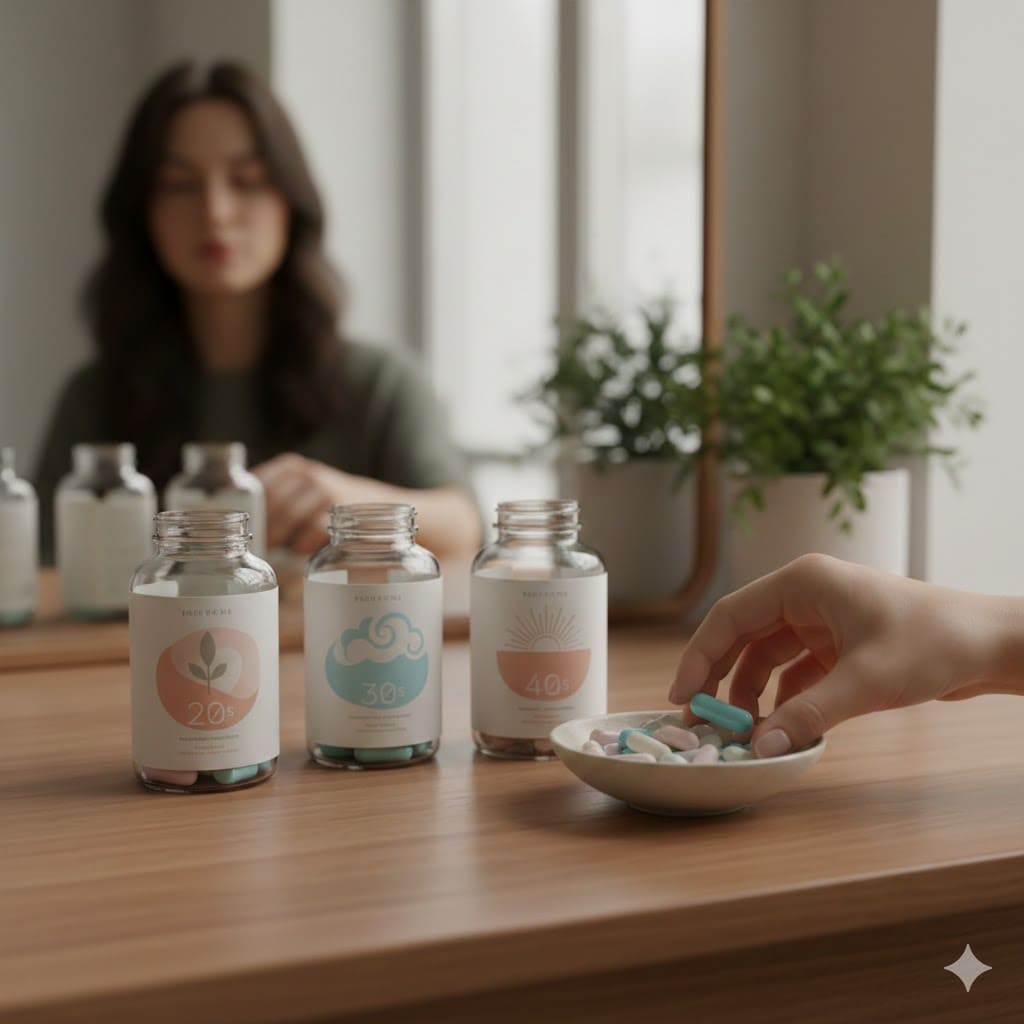
The truth is, supplements for women by age aren’t just a wellness trend. They’re strategic. Your nutritional needs by age evolve. Iron and folate might matter most in your 20s. In your 30s, you may be thinking about fertility supplements or stress support supplements. By your 40s, bone health supplements and heart health for women move front and center.
This women’s supplement guide 2026 breaks it down by decade. No hype. No megadosing nonsense. Just practical advice I wish someone had sat me down and explained clearly years ago.
Let’s simplify it.
Why Supplements for Women by Age Matter for Long-Term Health
I used to think vitamins for women were kind of optional. Like a “nice to have.” That mindset changed when I learned how much our hormones affect micronutrients for women.
Hormonal Changes and Nutrient Needs
Estrogen, progesterone, cortisol — they don’t just influence mood. They affect bone density, metabolism, iron levels, and even how we absorb nutrients. In your 20s, estrogen is usually steady. In your 30s, cortisol spikes from stress. In your 40s, perimenopause supplements suddenly become relevant.
It’s not dramatic. It’s gradual. And that’s why female nutrition by decade matters.
Metabolism, Fertility, and Stress
In my 20s, I could skip sleep and still function. Later? Not so much. Stress support supplements became less of a luxury and more of a tool.
Fertility supplements like folate for women and CoQ10 for women aren’t only for pregnancy. They support egg quality, cellular energy, and reproductive health vitamins overall. Even if you’re “just planning ahead,” your 30s are a crucial window.
Stress also burns through magnesium for women and B vitamins. That depletion adds up quietly.
Common Nutrient Deficiencies in Women
Some nutrient deficiencies in women show up over and over:
* Iron deficiency (especially during menstruation)
* Vitamin D deficiency
* Low magnesium
* B12 deficiency
* Inadequate omega-3 for women
I’ve seen women blame fatigue on “being busy” when it was low iron the whole time.
Food vs. Supplements
Can you get everything from food? In theory, yes. In reality? Soil depletion, busy schedules, and inconsistent diets make it hard.
Whole-food nutrition is the goal. Supplements fill the gaps.
They’re not a replacement for vegetables. They’re insurance.
Preventative Health and Aging Support
I think of healthy aging for women like maintaining a house. You don’t wait until the roof collapses. You reinforce it early.
Bone density support in your 40s is easier than rebuilding bone later. Heart health for women is easier to protect than repair.
That’s the long game.
Essential Supplements for Women in Their 20s
Your 20s are about building a foundation. You feel invincible — I remember that phase — but this is when long-term habits form.
Multivitamin for Women Under 30
A high-quality multivitamin for women covers baseline micronutrients for women. Look for bioavailable vitamins — methylated B vitamins, chelated minerals.
It shouldn’t be overloaded. Just balanced.
Iron Supplement for Women
If you menstruate, iron supplement for women is often necessary. Low iron equals fatigue, hair thinning, and brain fog.
I learned this the hard way after ignoring constant exhaustion.
Folate for Women
Folate for women supports reproductive health vitamins and cell division. Even if pregnancy isn’t on your radar, it protects DNA health.
Methylfolate is usually better absorbed than synthetic folic acid.
Vitamin D for Women
Vitamin D for women supports bone health supplements and women’s immune support. Most women are deficient.
A simple blood test can confirm.
Omega-3 for Women
Omega-3 fatty acids reduce inflammation, support brain health, and improve women’s cardiovascular health long-term.
I didn’t realize how much this affected mood until I consistently took it.
Magnesium for Women
Magnesium for women helps with stress, sleep supplements for women routines, and muscle recovery.
Magnesium glycinate is gentle and calming.
Probiotics for Women
Probiotics for women support gut health supplements and vaginal balance.
After antibiotics once, I never skipped this again.
Collagen for Women
Collagen for women supports skin health supplements, joints, and hair and nail vitamins.
In your 20s, it’s preventative. Later, it’s restorative.
B-Complex Vitamins
Metabolism support vitamins like B-complex help with energy supplements for women and nervous system health.
Especially important if stress is high.
Supplements in your 20s should feel simple, not overwhelming.
Best Supplements for Women in Their 30s
Your 30s are busy. Career, family planning, stress — it’s a lot.
Prenatal Vitamins (Even If Planning Ahead)
Prenatal vitamins aren’t just for pregnancy. They contain reproductive health vitamins like iron, folate, and choline supplement support.
Think of them as fertility supplements insurance.
Iron (Test First)
Iron supplement for women may still be needed. But test before supplementing.
Too much iron isn’t helpful either.
Vitamin D3 + K2
Vitamin K2 benefits include directing calcium into bones instead of arteries.
Vitamin D for women works better when paired with K2.
Omega-3s
Still critical for heart health for women and cognitive function.
Inflammation increases with stress. Omega-3 for women helps buffer that.
Magnesium Glycinate
Stress support supplements become essential here.
Magnesium glycinate supports sleep supplements for women and cortisol balance.
Adaptogens for Women
Ashwagandha for women and rhodiola benefits include stress resilience.
Hormone balance supplements like adaptogens don’t numb stress. They help regulate response.
I was skeptical at first. Then I noticed calmer mornings.
Choline Supplement
Choline supplement supports liver health and brain function. It’s often missing from diets.
It’s especially important in fertility supplements conversations.
CoQ10 for Women
CoQ10 for women supports egg quality and cellular health supplements overall.
Also helpful for energy.
Probiotics
Gut health supplements remain foundational. Immunity shifts in your 30s.
Women’s immune support matters more than we realize.
Supplements in your 30s are about resilience.
Must-Have Supplements for Women in Their 40s
Your 40s introduce perimenopause supplements into the conversation.
Even if symptoms are mild, internal shifts are happening.
Calcium + Vitamin D
Calcium for women combined with vitamin D for women supports women’s bone density support.
Bone loss accelerates during perimenopause.
Prevention matters.
Collagen Peptides
Collagen for women helps skin elasticity, connective tissue, and joints.
You notice stiffness more. It’s not dramatic. Just subtle.
Omega-3 Fatty Acids
Women’s cardiovascular health becomes a top priority.
Heart disease risk increases after estrogen declines.
Magnesium
Sleep supplements for women become non-negotiable.
Magnesium supports muscle recovery and nervous system regulation.
B12 for Women
B12 for women supports neurological function and energy.
Absorption decreases with age.
Vitamin K2 Benefits
Vitamin K2 benefits calcium absorption and prevents arterial calcification.
It pairs well with bone health supplements.
Phytoestrogens for Women
Black cohosh supplement and soy isoflavones are common phytoestrogens for women.
They may ease perimenopause symptoms like hot flashes.
Always consult a provider first.
Fiber Supplements
Digestive changes are real.
Fiber supports metabolic health and gut health supplements overall.
Antioxidants for Women
Vitamin C, E, resveratrol — these cellular health supplements support healthy aging for women.
Oxidative stress increases over time.
Supplements in your 40s focus on protection and graceful aging.
How to Choose High-Quality Supplements for Women
This part is huge. Not all supplements are equal.
Third-Party Tested Supplements
Look for third-party tested supplements verified by NSF, USP, or similar organizations.
Quality control matters.
Bioavailable Vitamins
Bioavailable vitamins absorb better.
Examples:
* Methylated B vitamins
* Chelated minerals
* Magnesium glycinate over oxide
Avoid Fillers
Skip artificial dyes and unnecessary fillers.
Simple formulas are usually better.
Proper Dosage
More isn’t better.
Megadosing fat-soluble vitamins can cause harm.
Follow evidence-based ranges.
Consult a Healthcare Provider
Especially for hormone balance supplements or perimenopause supplements.
Blood testing helps personalize your women’s supplement routine.
Understanding Labels
Check:
* Serving size
* Form of nutrient
* Amount per serving
* Additives
I’ve bought cheap supplements before. They did nothing.
Lesson learned.
Can You Get All Nutrients from Food Alone?
I wish the answer was simple.
Whole-Food Nutrition
A nutrient-dense diet is the foundation of female nutrition by decade.
Vegetables, protein, healthy fats — always first.
Soil Depletion
Modern farming reduces micronutrient density.
Food isn’t as rich as it once was.
Blood Testing
Testing reveals gaps in vitamins for women and mineral levels.
Guessing is inefficient.
Signs of Deficiency
Common signs of nutrient deficiencies in women:
* Fatigue
* Hair thinning
* Brittle nails
* Poor sleep
* Mood changes
They’re subtle at first.
Personalized Nutrition
There is no one-size-fits-all women’s wellness guide.
Lifestyle, pregnancy, stress, exercise — all change needs.
Healthy lifestyle supplements should match your reality.
Conclusion
Our bodies don’t stay the same — and our supplement routine shouldn’t either.
I’ve learned that supplements for women by age aren’t about swallowing more capsules. They’re about choosing the right support at the right stage. In your 20s, it’s foundation building with iron, folate, and metabolism support vitamins. In your 30s, it’s stress support supplements, fertility supplements, and hormone balance supplements. In your 40s, it’s bone health supplements, antioxidants for women, and women’s cardiovascular health protection.
Small shifts now prevent bigger problems later.
Start with testing if you can. Choose third-party tested supplements. Focus on bioavailable vitamins. Keep it simple and intentional.
This women’s supplement guide 2026 isn’t about trends. It’s about long-term health.
If this helped you, I’d genuinely love to hear what stage you’re in and what’s made the biggest difference for you. Share your experience. We learn a lot from each other.
Your future self will thank you.