Introduction
“Even a single night of poor sleep can increase stress hormones the next day.” When I first read that line in a sleep study, I actually laughed, because it finally explained why I felt wired, puffy, and weirdly emotional after late nights. It wasn’t just being “tired” — my whole sleep hormonal balance was wrecked.
For a long time I tried to fix everything with more coffee, stricter diets, and tougher workouts. Spoiler: that backfired so hard. The more I ignored my sleep, the more my hormones pushed back with stubborn weight, nasty cravings, and moody days.
In this article, I’ll walk you through how sleep and hormonal balance are tightly connected, in normal human language, not textbook jargon. We’ll talk about cortisol and stress, growth hormone and recovery, leptin and ghrelin for appetite, sex hormones like estrogen and testosterone, thyroid, insulin, and more. If you’ve been doing “all the things” and still feel stuck, your sleep hormonal balance might be the missing piece.
How Sleep Controls Your Hormonal Balance Behind the Scenes
Your Brain’s Master Clock and Circadian Rhythm
Inside your brain, there’s a tiny group of cells called the suprachiasmatic nucleus, or SCN, which acts like your master clock. It watches light and dark signals and tells your body when to wake up, when to feel sleepy, and when to release different hormones. When I used to stay up past midnight scrolling, I was basically kicking that clock every night and then wondering why I woke up feeling like I’d been hit by a truck.
This circadian rhythm controls a ton of hormone timing: cortisol rising in the morning, melatonin at night, thyroid hormones through the day, even reproductive hormones. When your sleep schedule is all over the place, that rhythm gets fuzzy, and hormone production gets messy too. Not broken, just confused.
Melatonin: Your “Night Mode” Signal
Melatonin is your main “night mode” hormone, and it starts rising as it gets dark. It doesn’t knock you out like a sleeping pill, but it tells the rest of your system, “Okay, team, let’s shift into repair mode.” When I used to blast myself with blue light from my laptop in bed, I was basically telling my brain, “Hey, it’s noon in July,” at 11 pm.
That delay in melatonin throws off other hormones down the line. Cortisol stays higher, appetite hormones get weird, and your sleep and circadian rhythm stop lining up. It’s like trying to run a factory when the lights keep flicking on and off at random times.
Deep Sleep, REM Sleep, and Hormonal Cascades
Sleep isn’t one big flat thing; it cycles through stages. Deep sleep (slow wave sleep) is where a lot of physical repair and growth hormone release happens. REM sleep is more about brain health, memory, and emotional processing.
When I cut my sleep short, I noticed I’d wake up sore longer after workouts, my joints complaining, and my brain foggy. Later I learned that I was chopping off deep sleep at the start of the night or REM at the end, so those hormonal cascades never got to finish their job.
One Bad Night vs. Chronic Sleep Deprivation
After a single bad night of sleep, your stress hormones like cortisol jump, your hunger hormones shift, and your insulin sensitivity drops a bit. You feel hungrier, crankier, and slower to react. It’s annoying, but usually fixable with a good night or two of restorative sleep.
Chronic short sleep is a different beast. Over weeks and months, it’s linked to insulin resistance, weight gain, thyroid funk, and sex hormone imbalances. That’s when sleep deprivation hormones really show up as constant fatigue, mood swings, and stubborn fat that won’t budge even when you “do everything right.”
Cortisol, Stress, and Sleep: The Vicious (or Virtuous) Cycle
What Cortisol Is Supposed to Do
Cortisol is your main stress hormone, but it’s not the villain. In a healthy pattern, cortisol is high in the morning to wake you up, then slowly drops through the day and is lowest at night so you can sleep. Think of it as a natural “get up and go” hormone when it’s in balance.
For a long time, my curve was upside down. I’d drag myself out of bed with three alarms and then feel wired at 11 pm like I could reorganize the whole house.
Late Nights, Blue Light, and “Tired but Wired”
When you stay up late, stare at bright screens, or work under harsh lights, you tell your brain it’s still daytime. Cortisol stays higher than it should in the evening, and melatonin gets pushed back. That “tired but wired” feeling — body exhausted, brain buzzing — is a sign your cortisol rhythm and sleep are out of sync.
I used to answer emails in bed (worst habit ever). I’d feel sleepy at 9:30, push through it, answer “just one more,” and by 10:30 my second wind had kicked in. That is literally cortisol stepping in and saying, “Okay, I guess we’re staying up then.”
How High Cortisol Messes with Hormonal Balance
Chronically high evening cortisol doesn’t just rob you of deep sleep. It also tells your body to store more belly fat, ramps up cravings, and can worsen insulin resistance. Over time, that hits weight, blood pressure, and even sex hormones like testosterone and progesterone.
I noticed that on my high-stress, late-night weeks, my appetite went off the rails. More snacks, more sugar, and less willpower, and I thought I just “lacked discipline.” In reality, my sleep and cortisol levels were ganging up on me.
Habits to Restore a Healthy Cortisol Curve
Here’s what actually helped me reset my cortisol and sleep hormonal balance:
- Consistent bedtime and wake time: Even on weekends. Boring, but magic for circadian rhythm and hormone balance.
- Morning light exposure: I try to get outside for 10–20 minutes within an hour of waking. It slams cortisol into “start the day” mode at the right time.
- Caffeine timing: Cutting off coffee after about 2 pm cut my evening jitteriness almost in half.
- Screen dimming: I use night mode on devices and try to be off bright screens an hour before bed (still mess up sometimes, but the difference is obvious when I don’t).
Growth Hormone and Recovery: Why Deep Sleep Is Your Repair Window
What Growth Hormone Actually Does
Growth hormone (GH) isn’t just for kids growing taller. In adults it helps repair tissues, support muscle recovery, maintain healthy body composition, and even helps with fat metabolism. It’s a big part of why deep sleep feels so restorative for your body.
The largest pulses of GH happen during early deep sleep, usually in the first third of the night. When you delay bedtime over and over, you’re literally stealing from that repair window.
Short Sleep, Achy Joints, and Stubborn Fat
Back when I was trying to out-train my bad sleep, I noticed something: my workouts got harder, but my body looked puffier. Soreness lingered for days, and little nagging aches in my knees and shoulders just wouldn’t calm down.
Once I learned that slow wave sleep drives growth hormone release, it finally clicked. My short, choppy sleep was slashing GH, so muscles and connective tissue never got the full recovery they needed. That also meant slower fat loss, because growth hormone and fat loss hormones work together.
Tips to Protect Deep Sleep and Growth Hormone
If you want better recovery, more muscle, or just fewer aches, protecting deep sleep is huge:
- Earlier, consistent bedtime: For most people, getting to bed before midnight really helps capture that first big GH pulse.
- Cool bedroom: I sleep better when my room is around 65–68°F (18–20°C). Cooler temps support melatonin and deeper slow wave sleep.
- Less alcohol: On nights I drank wine close to bed, my sleep tracking showed my deep sleep tanked. I still have drinks sometimes, just earlier and less often.
- Reduce big late workouts: Super intense training right before bed kept my heart rate high and delayed deep sleep. Shifting tough workouts earlier in the day helped.
Appetite, Cravings, and Weight: The Sleep–Hormone–Metabolism Link
Leptin and Ghrelin: The Hunger See-Saw
Two key appetite hormones run the show here: leptin and ghrelin. Leptin is your “I’m full” signal, and ghrelin is your “feed me” hormone. When sleep is short, leptin goes down and ghrelin goes up — the exact opposite of what you want for fat loss or stable weight.
On my 5-hour nights, I didn’t just feel a bit hungry. I felt bottomless, like meals didn’t touch the sides. That wasn’t willpower; that was sleep deprivation hormones messing with appetite control.
Cravings, Blood Sugar, and Insulin Resistance
Poor sleep doesn’t just make you hungrier; it makes you want specific things: sugar, refined carbs, junk food. Studies and my own experience line up here. When I was sleep deprived, salad felt pointless and chocolate suddenly became a food group.
Sleep loss also raises cortisol and affects insulin, which together can promote fat storage and insulin resistance. Over time that increases the risk of type 2 diabetes, especially when combined with constant snacking and late-night eating.
Simple Strategies for Hormone-Friendly Metabolism
Here’s what helped bring my cravings under control:
- Regular sleep schedule: When I hit 7–9 hours most nights, my appetite felt “calmer” without trying.
- Stop eating 2–3 hours before bed: Going to bed stuffed messed with my sleep and morning hunger signals.
- Screen limits at night: Less scrolling meant fewer ads and triggers and better melatonin, which weirdly also helped my late-night snacking habit.
Sex Hormones, Fertility, and Sleep Hormonal Balance
How Sleep Talks to Your Reproductive System
Sleep connects to the hypothalamic–pituitary–gonadal (HPG) axis, the fancy name for the chain that controls sex hormone production. When your circadian rhythm is off, that axis can misfire, changing levels of testosterone, estrogen, and progesterone. It’s one big hormonal group chat, basically, and bad sleep is like constant spam in the channel.
Sleep and Testosterone in Men
Short sleep and fragmented sleep are strongly linked with lower testosterone in men. I’ve seen guys train hard, eat protein, do everything “right,” yet still feel weak and low-libido because they were only sleeping 5–6 hours. Once they pushed sleep toward 7–8 hours, their strength, drive, and mood often improved in a matter of weeks.
Sleep, Estrogen, Progesterone, and the Menstrual Cycle
For women, poor sleep can throw off the balance of estrogen and progesterone. That can show up as worse PMS, more mood swings, heavier or more irregular cycles, and more intense perimenopause symptoms like hot flashes and night sweats. I’ve had clients tell me their cramps and migraines got slightly better just from finally protecting their sleep window.
Conditions like PCOS and low progesterone can also be aggravated by chronic sleep deprivation and stress. Night shift work, in particular, is tied to more menstrual issues and lower fertility in both men and women.
Supporting Reproductive Hormone Balance with Sleep
To support sex hormones and fertility, I focus on:
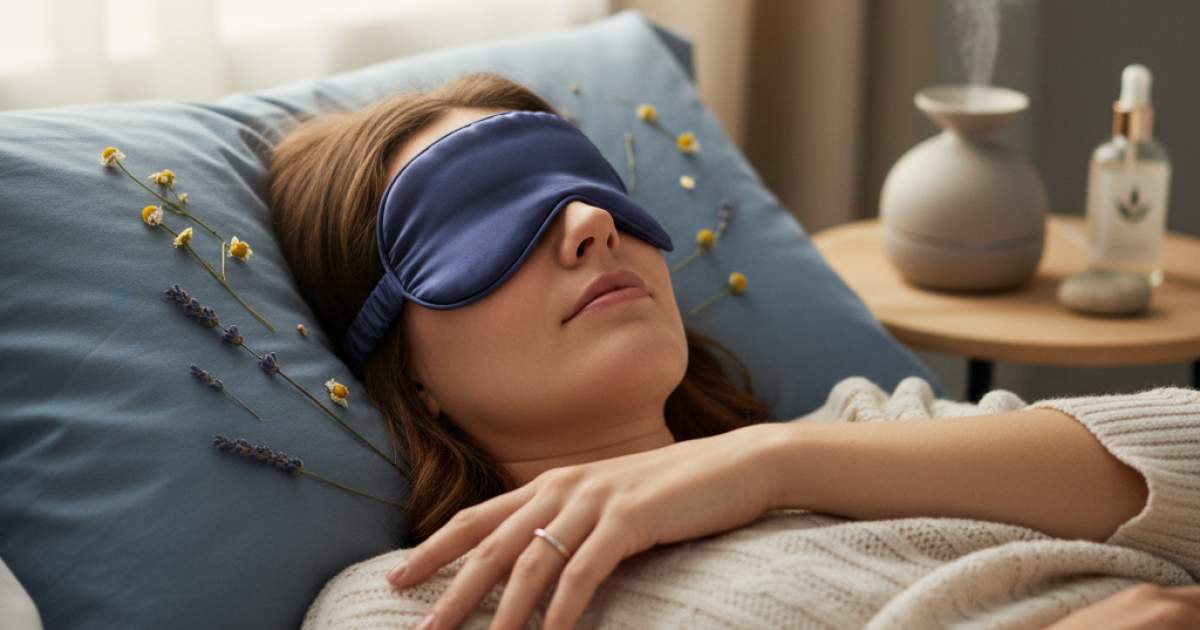
- Darkness at night: Blackout curtains or an eye mask help your brain fully switch into night mode and support melatonin and hormone production.
- Morning light and movement: A short walk after waking helps align circadian hormones, including those that drive the menstrual cycle and testosterone.
- Calming pre-sleep rituals: Gentle stretching, reading on paper, or a warm shower tells the nervous system, “We’re safe, it’s okay to power down.”
Thyroid, Energy, and Mood: How Sleep Affects Your Daytime Performance
The Thyroid–Sleep Connection
Your thyroid manages metabolism, energy, and even body temperature. Chronic sleep loss raises stress hormones that can interfere with thyroid function and how thyroid hormones are converted and used. The result: you feel slower, colder, and more “meh” during the day.
There was a stretch where I was convinced my thyroid had tanked. Labs came back “borderline,” but not terrible. Once I fixed my sleep, a lot of those hypothyroid-like symptoms — brain fog, low energy, weight creep — eased up.
Sleep, Serotonin, and Mood
Sleep and mood hormones like serotonin and dopamine are tightly linked. Poor sleep can increase anxiety, worsen depression, and make you more reactive to everyday stress. It’s not just in your head; sleep and stress hormones are beating up your brain chemistry.
Lifestyle Approaches for Better Energy and Mood
What’s helped me most here:
- Regular wake time: Getting up at roughly the same time, even after a bad night, helped my circadian rhythm reset faster.
- Gentle daytime movement: Short walks, light stretching, or easy cycling improved my sleep quality more than random intense workouts did.
- Limiting late-night worry time: I keep a notebook by the bed and do a quick “brain dump” before sleep instead of letting thoughts spiral at 1 am.
Inflammation, Immunity, and Hormonal Recovery During Sleep
Why Sleep Is an Immune and Repair Superpower
Sleep is when your body does a lot of immune system housekeeping. It clears out waste, repairs tissues, and recalibrates inflammation. Chronic short sleep boosts inflammatory markers like CRP, which are tied to insulin resistance, PCOS, low testosterone, and thyroid issues.
Inflammation, Chronic Disease, and Hormones
Night-shift work and chronic insomnia are linked with higher risk of heart disease, type 2 diabetes, and other long-term issues. Part of that is inflammation, part is messed up circadian rhythm, and part is hormones like cortisol and insulin being out of sync. When I finally started sleeping more, my random aches, sinus flare-ups, and that “run down” feeling eased up far more than I expected.
Tips to Calm Nighttime Inflammation
Some simple things that made a difference for me:
- Avoid heavy late meals: Big, greasy dinners right before bed often gave me restless sleep and more joint stiffness in the morning.
- Limit alcohol: Alcohol might knock you out, but it fragments sleep and drives inflammation, especially in the second half of the night.
- Stress management: A few minutes of breathing exercises before bed lowered my heart rate and helped my body shift from “fight or flight” to “rest and digest.”
What Happens to Your Body When You Don’t Sleep Enough (Short and Long Term)
Immediate Effects of One Bad Night
After one really short night — you know, the 3–4 hour “what have I done” kind — you’ll usually see higher cortisol, more hunger, and slower reaction time. You get irritable, less patient, and small problems feel huge. I once tried to teach a full day after staying up late binging a show, and I swear I lost my train of thought mid-sentence at least ten times.
Cumulative Effects of Chronic Sleep Debt
Over time, chronic short sleep can lead to weight gain, worsening insulin resistance, higher blood pressure, and hormone swings. Libido drops, cycles can get irregular, sperm quality can decline, and mood becomes more fragile. Workouts feel harder, recovery slows, and decision-making gets fuzzier.
The Good News: Many Effects Are Reversible
The encouraging part is that a lot of these hormonal imbalances improve when you restore sleep. Not overnight, but over weeks and months of consistent, restorative sleep and better sleep hygiene for hormonal health. I’ve seen people improve blood sugar, lose weight, and regain their spark without changing anything else dramatic, just by finally respecting their sleep.
Practical Sleep Habits to Support Hormonal Balance and Recovery
Set a Consistent Sleep–Wake Schedule
This is the unsexy secret. Going to bed and waking up at roughly the same time every day is like free circadian rhythm therapy. It strengthens your master clock, which steadies cortisol, thyroid hormones, appetite hormones, and sex hormones.
Create a Wind-Down Routine
I used to crash straight from emails and bright screens into bed and then wonder why my brain wouldn’t shut up. Now I aim for a 30–60 minute wind-down:
- Dim lights and put my phone away (or at least on airplane mode).
- Light stretching or a short walk around the house.
- Journaling or reading something low-drama.
Light, Temperature, and Stimulants
For hormone-friendly sleep hygiene, some anchors really help:
- Morning bright light: Helps set cortisol and melatonin timing for the day.
- Warm, dim light at night: Desk lamps, salt lamps, or low-watt bulbs instead of overhead LEDs.
- Cool bedroom: Supports deep sleep and melatonin.
- Caffeine cut-off: For most people, stopping caffeine by mid-afternoon keeps it from sneaking into your sleep.
- Alcohol and heavy meals: Try to keep both away from the last 2–3 hours before bed.
Track and Notice Patterns
You don’t have to buy fancy wearables, though they can help. A simple sleep diary — bedtime, wake time, how you feel, cycle day, cravings, workouts — can show you patterns between sleep and hormonal symptoms. If you do use a tracker, watch your deep sleep, REM sleep, and resting heart rate as indicators of recovery.
How to Adjust Sleep for Different Life Stages and Hormonal Needs
Teens and Young Adults
Teens and young adults have a naturally later rhythm and higher sleep needs because of growth and hormone development. For them, early school or work times can clash with their circadian rhythm, which hits mood, focus, and even growth hormone release. If you’re in that stage, don’t assume needing 9 hours means you’re lazy; your biology is literally wired that way.
Stressed Adults and Busy Professionals
If you’ve got a high-stress job or a packed schedule, sleep has to become a non-negotiable “hormone appointment.” I used to treat sleep as the thing I stole from to get more done, but it always caught up with me as brain fog and short temper. Blocking a sleep window on your calendar like a meeting may sound silly, but it’s often the only way it actually happens.
Perimenopause, Menopause, and Midlife Men
For women in perimenopause and menopause, hot flashes, night sweats, and mood swings can wreck sleep. Cooling the bedroom, light breathable bedding, and sometimes a fan by the bed can make a bigger difference than people expect. For men in midlife, weight gain, snoring, and sleep apnea start showing up more, which can lower testosterone and hurt recovery.
Parents and Caregivers
If you’re caring for kids or other family members, perfect sleep might be a fantasy for a while. In those seasons, focus on “anchors” like a consistent wake time when possible, small naps earlier in the day, and short wind-down rituals even if bedtime changes. Ask for support when you can; you’re not weak for needing sleep, you’re human.
When Better Sleep Isn’t Enough: Warning Signs and When to Seek Help
Red Flags to Watch For
Sometimes we do all the right sleep hygiene things and still feel awful. That’s when I start looking for red flags like:
- Loud snoring, gasping, or choking sounds during sleep.
- Waking unrefreshed despite 7–9 hours in bed.
- Uncontrollable leg movements or creepy crawly feelings in the legs at night.
- Severe insomnia lasting more than a few weeks.
Possible Sleep and Hormone-Related Conditions
Issues like sleep apnea, restless legs syndrome, chronic insomnia, or circadian rhythm disorders can sabotage hormonal balance and recovery. They’re linked with stubborn blood pressure problems, blood sugar issues, low libido, fertility problems, and more. No amount of lavender oil or blue-light blocking glasses will fix those on their own.
Talk to a Professional, Don’t Just Push Through
If any of those red flags sound familiar, keep a simple log of your sleep, symptoms, and energy for a couple weeks. Then take it to a doctor or sleep specialist and be honest — don’t downplay it like I did for way too long. Combining medical help with healthy sleep habits usually gives the best hormonal outcomes.
Conclusion
When you zoom out, it’s pretty obvious: sleep isn’t just “nice to have.” It’s the nightly switch that resets your whole endocrine system — cortisol, growth hormone, appetite hormones, thyroid, sex hormones, insulin, all of it. When sleep is short, choppy, or irregular, those hormones drift out of balance and you feel it as cravings, low energy, mood swings, stubborn weight, and slow recovery.
The good news is your body is always trying to move back toward balance. By protecting your sleep hormonal balance with consistent bedtimes, dimmer lights at night, a cool bedroom, and a real wind-down routine, you give your hormones the stable rhythm they need to heal and recover. If this feels overwhelming, start tiny — maybe shut screens down 30 minutes earlier tonight or commit to waking at the same time every day for a week.
Notice how your body responds over a week or two, not just one night. I’ve seen over and over, in myself and others, that when sleep improves, hormones follow — and recovery, mood, and energy transform. Your next best step for better hormonal balance might honestly be as simple as closing your eyes earlier and letting your body do what it’s wired to do: restore itself while you sleep.